
If you’ve typed “keto” into Google and immediately hit a wall of macro percentages and net-carb calculators, you’re not alone. Here’s the short version: a 7-day keto meal plan for beginners should tell you exactly what to eat, cut your carbs to around 20-50 grams a day, and skip the spreadsheet entirely. That’s what this plan does — seven days, three meals a day, and a grocery list you can screenshot and take to the store this weekend.
I’ve written about diet plans for years, and keto is the one people quit fastest — not because it doesn’t work, but because most guides make it way more complicated than it needs to be. So this one’s stripped down. Real food, a real schedule, and a shopping list that doesn’t require a nutrition degree to follow.
Key Takeaways
- Keto = high fat, moderate protein, very low carb (roughly 20-50g net carbs daily) to shift your body toward burning fat for fuel instead of glucose.
- A full week of meals is mapped out below — breakfast, lunch, dinner, no guessing.
- The grocery list is organized by store section so you’re not backtracking through aisles.
- Expect a rough adjustment period (often called the “keto flu“) in days 2-4 — it’s normal and usually temporary.
- This plan is a starting point, not a medical prescription. Check with your doctor first, especially if you have diabetes, kidney issues, or take medication for blood pressure.
What Is Keto, Really?
Keto — short for ketogenic — is a way of eating that flips your body’s main fuel source. Normally, your body runs on carbs (glucose). Cut carbs down low enough, and your liver starts converting fat into molecules called ketones, which your body and brain can use instead.
That switch is called ketosis. It usually takes somewhere between 2 and 4 days of eating very low carb to get there, though it varies person to person [CITE: source on typical timeline to reach ketosis].
In practical terms, a standard keto day looks like:
- Fat: 70-75% of calories
- Protein: 20-25% of calories
- Carbs: 5-10% of calories, or roughly 20-50 grams net carbs
You don’t need to hit those numbers exactly, and honestly, I think the obsession with precise macro percentages is where a lot of beginners burn out. Get the carbs low and the fat up — the rest sorts itself out.
How Do I Start a Keto Diet as a Beginner?
Here’s the step-by-step version, no fluff:
- Clear out the obvious carb traps. Bread, pasta, rice, cereal, sugary drinks, most fruit. You don’t have to throw it away — just stop buying more.
- Stock your kitchen with keto staples. Eggs, meat, cheese, leafy greens, olive oil, avocado, nuts. (Full list below.)
- Pick a start day and commit to one full week. Don’t ease in gradually — a slow taper usually just extends the carb cravings.
- Track carbs loosely for the first week, using an app or just reading labels. You can stop once you get a feel for it.
- Expect the keto flu — headaches, fatigue, irritability — and manage it with extra salt, water, and magnesium.
- Reassess after day 7. If you feel good and the plan’s manageable, keep going. If not, tweak the meals, not the whole diet.
That’s genuinely it. Most keto guides make this sound like a science project. It’s not.
Your 7-Day Keto Meal Plan for Beginners
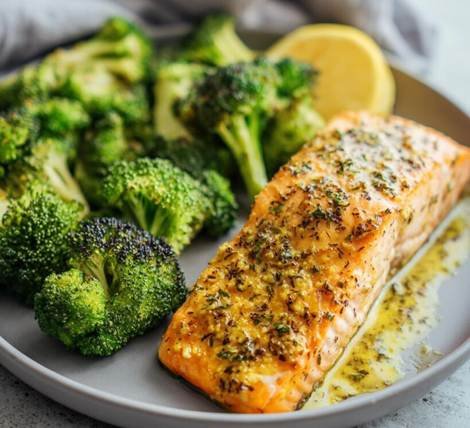
This is the actual plan — three meals a day, minimal ingredients repeated across days to keep shopping and prep simple. Portions are rough guides; adjust to your hunger and body size.
Day 1
- Breakfast: Scrambled eggs cooked in butter, two strips of bacon, half an avocado
- Lunch: Grilled chicken thigh over spinach with olive oil and feta
- Dinner: Baked salmon, roasted broccoli with butter
Day 2
- Breakfast: Greek yogurt (full-fat, unsweetened) with a small handful of walnuts
- Lunch: Leftover salmon flaked over a green salad with ranch dressing
- Dinner: Ground beef and cheese lettuce wraps with salsa
Day 3
- Breakfast: Two fried eggs, sautéed spinach, half an avocado
- Lunch: Tuna salad (mayo, celery) in lettuce cups
- Dinner: Pork chops with roasted cauliflower mash
Day 4
- Breakfast: Keto smoothie — unsweetened almond milk, spinach, peanut butter, protein powder
- Lunch: Chicken Caesar salad, skip the croutons
- Dinner: Shrimp stir-fry with cabbage and coconut aminos
Day 5
- Breakfast: Omelet with cheese, mushrooms, and bell peppers
- Lunch: Leftover pork chops, side salad
- Dinner: Beef and broccoli (use cauliflower rice, not regular rice)
Day 6
- Breakfast: Bacon and eggs, again — it’s a keto staple for a reason
- Lunch: Turkey and cheese roll-ups with cucumber slices
- Dinner: Baked chicken thighs with green beans in garlic butter
Day 7
- Breakfast: Chia pudding made with coconut milk and a few berries
- Lunch: Leftover chicken thighs over a big salad
- Dinner: Steak with sautéed mushrooms and asparagus
Notice the pattern — dinner leftovers become tomorrow’s lunch. That’s intentional. Cooking a new meal three times a day, every day, is how most people quit by Wednesday.
Keto Meal Prep Ideas for the Week for Beginners
If you’re doing this on a Sunday-scaries schedule (cook once, eat all week), here’s what actually saves time:
- Batch-cook proteins. Grill four chicken thighs, bake a tray of salmon, brown two pounds of ground beef — all at once, Sunday afternoon.
- Pre-chop your vegetables. Spinach, broccoli, cauliflower — wash and cut it all in one go so dinner doesn’t require decision-making.
- Hard-boil a dozen eggs. They’re a grab-and-go snack or quick breakfast add-in.
- Make one big batch of “safe” dressing (olive oil, vinegar, salt) so you’re not reaching for bottled versions loaded with sugar.
- Freeze portions you won’t eat within 3 days. Ground beef and soups freeze especially well.
I’ll be honest — meal prepping perfectly every single week is a fantasy for most people with actual jobs and kids. Do 70% of it. That’s still miles better than winging it every night.
Keto Grocery List (Free & Budget-Friendly)
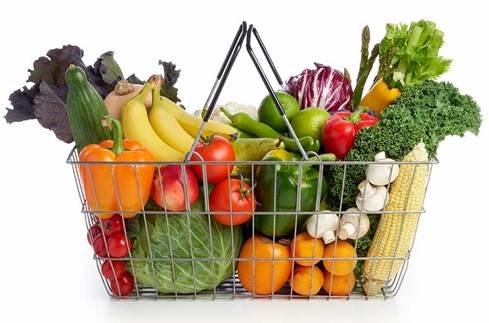
Here’s everything you need for the week above, organized by section so your shopping trip doesn’t turn into a maze.
Proteins
- Eggs (2 dozen)
- Bacon
- Chicken thighs (bone-in, skin-on — cheaper and more flavorful)
- Ground beef
- Salmon fillets
- Pork chops
- Shrimp
- Steak (one, for day 7)
- Turkey slices (deli)
- Canned tuna
Dairy & Fats
- Butter
- Full-fat Greek yogurt
- Shredded cheese, feta, cream cheese
- Heavy cream
- Olive oil
- Mayo
- Ranch dressing (check label for added sugar)
Produce
- Spinach (large bag)
- Broccoli
- Cauliflower
- Avocados
- Bell peppers
- Mushrooms
- Asparagus
- Green beans
- Cabbage
- Cucumbers
- Celery
- Lettuce (for wraps and salads)
- Lemon
Pantry
- Almond milk (unsweetened)
- Coconut milk
- Peanut butter (no added sugar)
- Walnuts
- Chia seeds
- Coconut aminos (or soy sauce)
- Protein powder (optional)
- Salt, garlic, black pepper
Keto Meal Plan for Beginners on a Budget
Keto has a reputation for being expensive, and yeah, if you’re buying grass-fed everything and specialty almond flour, it adds up fast. But you don’t need any of that to lose weight or hit ketosis.
To keep costs down:
- Buy eggs and chicken thighs in bulk — they’re the cheapest protein per gram on this whole list.
- Skip the “keto” branded snacks. Keto protein bars and fat bombs are marked up hard for basically no benefit over real food.
- Frozen vegetables work fine. Broccoli, cauliflower, and spinach freeze well and cost less than fresh.
- Buy cheese in blocks, not pre-shredded. It’s cheaper and lasts longer.
- Skip almond flour baking for now. It’s one of the priciest keto ingredients, and beginners usually don’t need to replicate bread and desserts in week one anyway.
A week of this plan typically runs cheaper than most people’s current grocery bill, mostly because you’re cutting out snack foods and prepared meals.
[Internally link to: keto vs. intermittent fasting — which is right for you?]
Common Beginner Mistakes

A few things I see people get wrong constantly:
Not eating enough fat. If you just cut carbs and don’t replace those calories with fat, you’ll be hungry, tired, and miserable — and you’ll quit. Fat isn’t the enemy here. It’s the fuel.
Fearing all fruit. Berries in small amounts are fine. You don’t need to treat a handful of raspberries like a candy bar.
Ignoring electrolytes. This is probably the single biggest reason people feel awful in week one. Add salt to your food. Drink bone broth. Consider a magnesium supplement if headaches persist.
Weighing yourself daily. Water weight swings wildly in the first two weeks. Weigh in once, at the start, then again in seven days. Daily numbers will just mess with your head.
Keto isn’t magic, and it’s not for everyone — some people do better with a Mediterranean-style approach or intermittent fasting instead. But if you’ve tried “just eat less” and it hasn’t stuck, a structured plan like this one at least removes the guesswork for the first week.
A quick note: talk to your doctor before starting keto if you’re pregnant, have diabetes, kidney disease, or take medication that affects blood sugar or blood pressure. This plan is general information, not personalized medical advice.
FAQ
How much weight can I lose in a week on keto? Most beginners see a noticeable drop in the first week — often 2-6 pounds — but a lot of that is water weight, not fat loss [CITE: source on initial water-weight loss during first week of ketogenic diet]. Fat loss slows to a more typical 1-2 pounds a week after that.
Can I drink coffee or alcohol on keto? Black coffee is fine, and most people add heavy cream instead of milk or sugar. Alcohol is trickier — dry wine and spirits (no sugary mixers) fit better than beer, which is high in carbs.
Do I have to count calories on keto? Not strictly, but calories still count for weight loss. Keto tends to naturally reduce appetite for a lot of people, which helps — but if you’re eating an entire block of cheese daily, the carb count won’t save you.
What if I mess up and eat carbs mid-week? You’re not starting over from scratch. One high-carb meal might bump you out of ketosis temporarily, but going back to low-carb eating usually gets you back within a day or two.
Is keto safe long-term? Research on long-term keto use is still developing, and opinions among dietitians vary [CITE: source on long-term safety and sustainability of ketogenic diets]. Many people use it short-term for weight loss, then transition to a more moderate low-carb approach for maintenance.