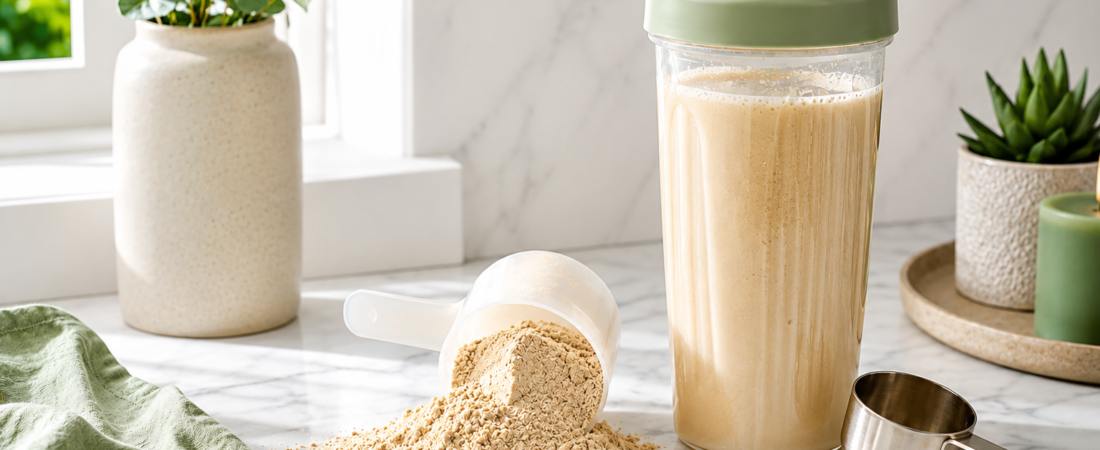
The best protein powder for fat loss is one that’s high in protein per scoop (usually 20-30g), low in added sugar and unnecessary fillers, and easy enough on your stomach that you’ll actually drink it every day. Whey isolate tends to top most lists because it digests fast and comes in low-calorie versions, but the “best” one really depends on your calorie budget, your digestion, and whether you eat dairy at all. Below, we rank seven solid categories of protein powder for fat loss, and tell you exactly who each one is for.
Key Takeaways
- Whey isolate is usually the leanest option (90-120 calories per scoop, minimal carbs/fat) and a smart default for most people cutting calories.
- Protein powder for weight loss works by helping you hit a higher protein target without blowing your calorie budget — not through any fat-burning magic in the powder itself.
- Plant-based blends (pea + rice, usually) are the best whey protein alternative for fat loss if you’re dairy-free or vegan, though you may need a slightly bigger scoop to match the amino acid profile.
- Protein powder is a tool, not a requirement — whole food protein should still make up most of your intake.
- Look for 15-30g protein, under 5g sugar, and under 150 calories per serving as a rough baseline when comparing labels.
If you’ve spent any time in the supplement aisle — or worse, scrolling protein powder ads on Instagram — you know the marketing gets loud fast. “Fat-burning formula.” “Metabolism boosting.” “Lose weight while you sleep.” None of that is really how protein powder works, and I think it’s worth saying that plainly before we get into rankings.
Protein powder doesn’t melt fat off your body. What it does is make it a lot easier to hit a protein target that keeps you full, protects your muscle while you’re in a calorie deficit, and stops you from white-knuckling your way through 3pm hunger. That’s genuinely useful. It’s just not magic, and any brand telling you otherwise is selling you a story.
This guide breaks down the best protein powder for fat loss by category rather than chasing whatever brand is trending this month (those change constantly, and honestly, formulations get tweaked more often than people realize). We’ll cover whey, casein, plant-based, and a few hybrid options, plus how to actually use them if your goal is losing fat while keeping the muscle you’ve worked for.
[7 Proven Ways to Sustain a Calorie Deficit (Without Burning Out)]
What Makes a Protein Powder Good for Fat Loss?
A protein powder that supports fat loss usually checks four boxes: high protein-to-calorie ratio, low added sugar, minimal fillers, and a taste/texture you won’t dread drinking.
Protein-to-calorie ratio matters more than almost anything else on the label. A scoop with 25g protein and 120 calories is doing a lot more work for your deficit than one with 20g protein and 160 calories. When you’re counting every 100 calories, that gap adds up over weeks.
Sugar content is the second thing worth checking. A lot of “dessert-flavored” powders quietly pack 8-10g of sugar per scoop to make the chocolate or cookie flavors convincing. That’s not the end of the world once in a while, but it eats into your daily budget if you’re drinking a shake every day.
Protein source affects both digestion and how well it fits your diet — whey digests fast and is great post-workout, casein digests slow and works better before bed, and plant blends are the go-to if you’re vegan, lactose intolerant, or just prefer to skip dairy.
Research on satiety suggests higher-protein meals and snacks may help people eat less overall by increasing fullness hormones and reducing subsequent food intake [CITE: peer-reviewed study on protein intake and satiety/appetite regulation]. That’s part of why protein powder gets recommended so often for weight management — it’s an easy way to nudge your daily protein up without a lot of planning.
The 7 Best Protein Powders for Fat Loss
Here’s the ranked breakdown. We’re ranking by category and formulation type rather than pushing one specific brand, since exact products and pricing shift constantly and what’s “best” really depends on your dietary needs.
1. Whey Protein Isolate (Unflavored or Low-Carb Blends)
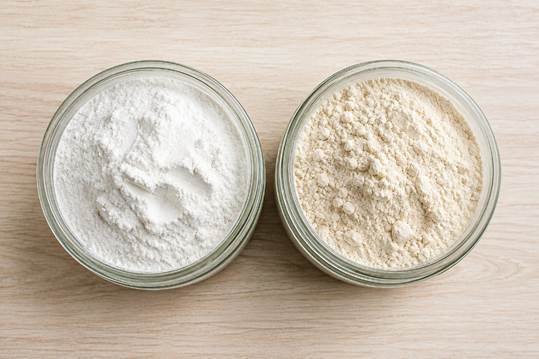
Whey isolate is the gold standard for fat loss for one simple reason: it’s stripped of most of the lactose, fat, and carbs that whey concentrate keeps around. You’re left with close to pure protein — often 25-27g protein for around 100-110 calories per scoop.
If you’re tracking macros tightly, this is the powder that gives you the most protein for the fewest calories, full stop. The tradeoff is that isolate can taste slightly thinner or chalkier than concentrate, and it tends to cost more per serving.
Best for: People in an aggressive calorie deficit who want max protein with minimal calorie cost.
2. Whey Protein Concentrate
Concentrate is the more “classic” whey — a bit creamier, usually cheaper, and still a strong choice for fat loss, just with slightly more calories and carbs per scoop (think 120-150 calories, 3-4g carbs).
Honestly, for most people who aren’t cutting extremely close to the bone on calories, concentrate is perfectly fine. I’d actually push back a little on the idea that everyone needs isolate — unless you’re within a couple hundred calories of your daily target, the extra 20-30 calories in concentrate isn’t going to derail your fat loss.
Best for: Budget-conscious dieters who don’t need to shave every last calorie.
3. Micellar Casein
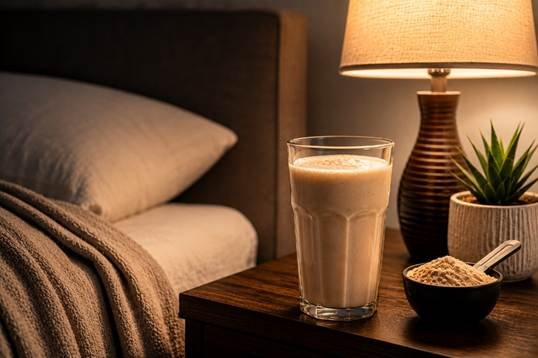
Casein digests slowly — it can take several hours to fully break down compared to whey’s faster absorption. That slow release makes it a solid pick for a bedtime shake, since it may help curb overnight hunger and support muscle repair while you sleep [CITE: study on casein protein digestion rate and overnight muscle protein synthesis].
It’s thicker in texture (some people genuinely love this, others find it too pudding-like), and it tends to run slightly higher in calories than isolate.
Best for: People who get hungry late at night or want a protein option specifically for before bed.
4. Pea and Rice Protein Blend
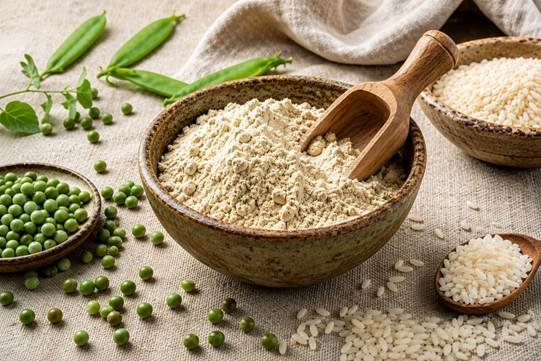
This is the best protein powder for fat loss if you’re vegan, dairy-free, or just prefer to avoid animal products. On their own, pea and rice proteins each have gaps in their amino acid profiles, but combined, they cover each other’s weak spots reasonably well.
Calorie counts are competitive with whey — often 20-25g protein for 110-130 calories — though the texture tends to be a bit grittier, and you may need a stronger flavor (chocolate, not vanilla) to mask the earthy taste some brands have.
Best for: Anyone doing whey protein vs plant protein for fat loss and choosing plant, whether for dietary, ethical, or digestive reasons.
5. Egg White Protein
Less common on shelves, but worth knowing about if dairy and plant options both give you trouble. Egg white protein is lactose-free, low in carbs, and has a strong amino acid profile — historically used as a benchmark for protein quality in nutrition research.
It’s usually pricier and harder to find in stores, and the taste is more neutral (some say bland) compared to whey.
Best for: People with both dairy sensitivity and plant-protein digestion issues.
6. Collagen Protein (With a Caveat)
I want to be straight with you here: collagen is popular, but it’s an incomplete protein — meaning it’s missing essential amino acids your body needs, particularly for muscle building. It’s not a great standalone choice if muscle preservation during fat loss is your main goal.
Where it can still earn a spot is as an addition to your coffee or a smoothie alongside a complete protein source, mostly for its potential joint and skin benefits, which some early research suggests but hasn’t been conclusively proven. Don’t rely on it as your main protein source.
Best for: An add-on, not a replacement — pair it with whey or a plant blend.
7. Ready-to-Drink (RTD) Protein Shakes
Not technically a “powder,” but they deserve a spot here because convenience is a real factor in whether you stick with a habit. RTD shakes typically run 140-160 calories for 20-30g protein and require zero prep — you just grab and go.
The downside is cost per serving (usually 2-3x more expensive than powder) and slightly less control over ingredients. But if the alternative is skipping protein entirely because you didn’t have time to shake a bottle, the convenience wins.
Best for: Busy mornings, travel days, or anyone who knows they won’t stick with powder prep consistently.
Whey Protein vs Plant Protein for Fat Loss: Which Wins?
This is one of the most common questions we get, so let’s settle it clearly.
Whey protein has a slight edge in leucine content — the amino acid most linked to triggering muscle protein synthesis — and it digests fast, making it a strong post-workout choice [CITE: comparative study on leucine content and muscle protein synthesis response, whey vs plant sources]. For pure muscle-preservation-during-a-cut purposes, whey has more research behind it at this point.
Plant protein (especially a pea-rice or pea-hemp blend) can close most of that gap when the blend is well-formulated, and it’s the clear winner if you’re vegan, lactose intolerant, or trying to eat fewer animal products for other reasons.
In practice, the calorie and protein numbers between a good whey isolate and a good plant blend are close enough that your dietary preferences and digestion should decide this, not marketing claims. If dairy sits fine with you and you’re not vegan, whey has a slight practical edge. If it doesn’t, plant protein will work just fine — you might just need to be a little more deliberate about hitting your daily protein total from other food sources too.
How to Use Protein Powder for Fat Loss (Step-by-Step)
- Figure out your daily protein target first. A common range used in research for people in a fat-loss phase is roughly 0.7-1g of protein per pound of body weight, though needs vary by individual [CITE: research-based protein recommendation for individuals in a caloric deficit].
- Track how much protein you’re already getting from food. Most people underestimate this — pull up a food log for 2-3 days before assuming you need a shake at all.
- Fill the gap, don’t stack on top. If you’re 30g short of your target, one scoop covers it. You don’t need three shakes a day unless you’re genuinely far off.
- Time it around what’s convenient, not “optimal.” Post-workout is nice, but total daily protein matters far more than exact timing for most people [CITE: study comparing protein timing vs total daily intake for muscle retention].
- Watch your mix-ins. A scoop of powder with water is very different from one blended with a banana, peanut butter, and oat milk. Know what you’re actually drinking.
Do You Even Need Protein Powder to Lose Fat?
No — not technically. You can hit your protein target with chicken, eggs, Greek yogurt, tofu, and beans just fine. Protein powder is a convenience tool for people who are busy, traveling, or just find it hard to eat that much whole-food protein in a day.
That said, I’ll admit I’m a fan of it for one specific reason: it removes decision fatigue. When you’re already stressed about tracking calories, having one reliable, pre-measured protein source you don’t have to think about is genuinely useful — even if it’s not strictly “necessary.”
Consult a doctor or registered dietitian before starting any new supplement, especially if you have kidney issues, are pregnant, or take medications that could interact with high protein intake.
FAQ
What is the best protein powder for fat loss? Whey protein isolate is usually the best default because it’s high in protein and low in calories per scoop. If you’re vegan or lactose intolerant, a pea-rice plant blend is the better fit for you specifically.
Is protein powder for weight loss actually effective? Protein powder itself doesn’t burn fat, but it can support fat loss by making it easier to hit a higher protein target, which may help with fullness and preserving muscle during a calorie deficit [CITE: research on high-protein diets and body composition outcomes during weight loss].
What’s the best protein powder for fat loss and muscle gain at the same time? Whey isolate or a well-formulated plant blend both work, since the goal there is a high protein intake paired with resistance training and a moderate calorie deficit — the powder itself isn’t doing the muscle-building or fat-burning; your training and total diet are.
Whey protein vs plant protein for fat loss — does it really matter which I pick? Not as much as people think. Both can support fat loss when paired with an appropriate calorie deficit and enough total daily protein. Pick based on digestion, diet, and taste preference rather than assuming one is dramatically superior.
How many scoops of protein powder should I have per day for fat loss? This depends entirely on your existing food intake and total protein target — most people do fine with 1-2 scoops a day to fill the gap between food and their goal, not as a replacement for meals.