
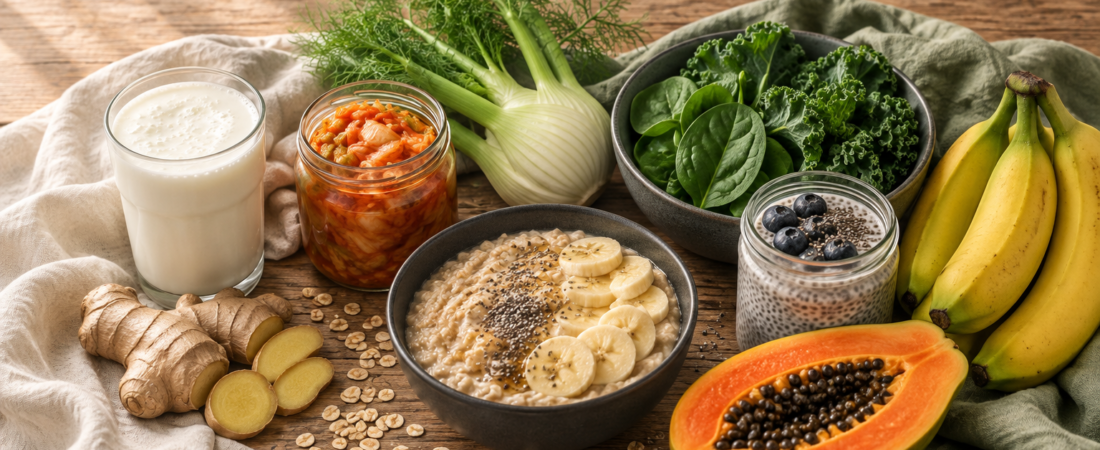
If your stomach’s been doing that uncomfortable post-lunch bloat thing more often than you’d like, you’re not alone — and you probably don’t need a supplement aisle’s worth of powders to fix it. Foods that improve digestion naturally — think fermented vegetables, ginger, fiber-rich fruit, and a few unexpected additions like oats and kefir — work by feeding your gut bacteria, easing inflammation, and helping food move through your system the way it’s supposed to. This guide breaks down nine of them, why they work, and how much you’d actually need to eat to notice a difference.
Key Takeaways
- Fermented foods (kimchi, kefir, sauerkraut) introduce live probiotic strains that may support a more balanced gut microbiome [Review on fermented foods and gut microbiome diversity].
- Fiber-rich foods like oats, chia seeds, and leafy greens feed beneficial bacteria and add bulk that keeps things moving.
- Ginger has a long track record for easing nausea and speeding up stomach emptying [Clinical study on ginger and gastric emptying rate].
- Most of these foods need consistent daily intake — not a one-time fix — to show results, usually somewhere in the 2-4 week range.
- Some “gut health” foods (looking at you, kombucha) are overhyped for people without existing digestive issues — more on that below.
Why Your Gut Health Depends on What You Eat
Your digestive system isn’t just a tube that breaks down food. It’s home to trillions of bacteria — collectively called the gut microbiome — that help digest fiber, produce certain vitamins, and even communicate with your brain [Overview source on gut microbiome function and gut-brain axis].
When that bacterial community is out of balance, you get the classic symptoms: bloating, gas, irregular bathroom trips, sluggish digestion after meals. The good news is that diet is one of the fastest ways to shift your microbiome, sometimes within days [Study on diet’s short-term effect on gut microbiome composition].
That’s the whole idea behind eating foods for gut health instead of reaching for a pill every time your stomach acts up. Food-first isn’t just trendy — it’s genuinely where most of the research points first.
I’ll be honest, though: nobody fixes chronic digestive issues by eating one avocado. This works as a pattern, not a magic trick. If you’re dealing with persistent pain, blood in your stool, or symptoms that don’t budge no matter what you eat, that’s a doctor conversation, not a blog post conversation.
What Foods Help You Digest Food Better?
Here’s the short version, because I know you might just want the list: foods high in soluble fiber, prebiotics, and live probiotic cultures are the ones with the most research behind them for digestion. Soluble fiber dissolves in water and forms a gel-like substance that slows digestion and feeds bacteria. Prebiotics are basically fertilizer for the good bacteria already living in your gut. Probiotics are the live bacteria themselves, delivered straight from fermented food.
Below are nine foods that hit one or more of those categories, backed by actual research rather than wellness-influencer vibes.
1. Kefir
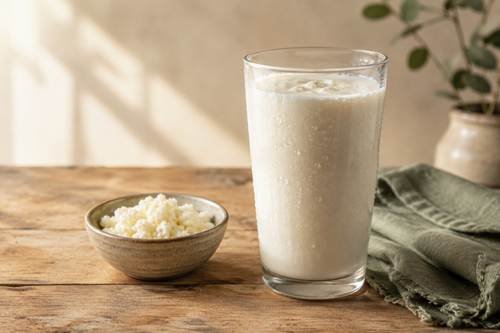
Kefir is a fermented milk drink, tangier and thinner than yogurt, packed with a wider variety of probiotic strains — often more than most yogurts on the shelf. People with mild lactose intolerance sometimes tolerate it better than milk, since the fermentation process breaks down some of the lactose.
A cup a day is a reasonable starting point. If you’ve never had it, start with a half cup — the fermentation makes it more intense than you’d expect, and some people get a bit gassy the first week as their gut adjusts.
2. Kimchi and Sauerkraut
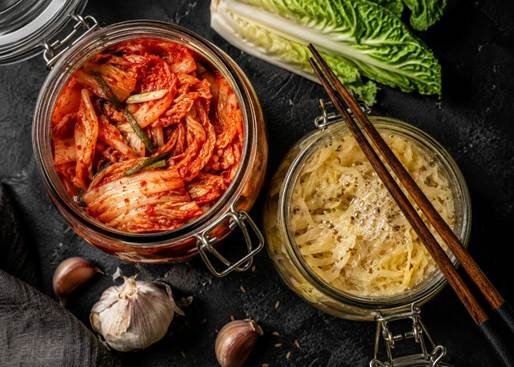
These fermented cabbage dishes are some of the most concentrated probiotic foods for digestion and bloating you’ll find in a regular grocery store. Traditional (unpasteurized, refrigerated) versions contain live cultures like Lactobacillus, which research links to improved digestive comfort in some populations [Study on Lactobacillus strains and digestive symptom relief].
Here’s my honest take: the pasteurized, shelf-stable sauerkraut in a jar by the mustard? That’s basically just tangy cabbage at that point — the heat used to preserve it kills the live cultures. If you want the gut benefit, you need the refrigerated section.
3. Ginger

Ginger’s reputation for settling an upset stomach isn’t folklore. It appears to speed up how quickly your stomach empties its contents into the small intestine, which is part of why it helps with nausea and that overly-full feeling after a big meal [Clinical study on ginger and gastric emptying rate].
A cup of fresh ginger tea after a heavy meal, or a few thin slices chewed raw, is enough for most people. You don’t need a supplement for this one — the whole root works fine.
4. Oats
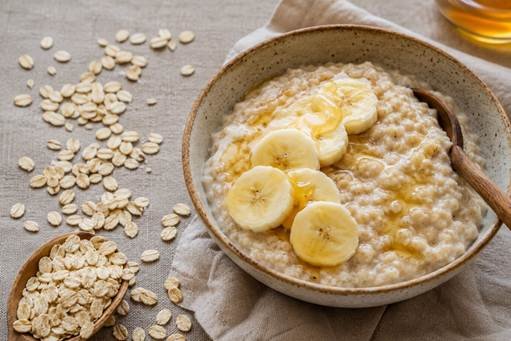
Oats are loaded with a specific type of soluble fiber called beta-glucan. It softens stool, adds bulk, and — this part matters — acts as food for beneficial gut bacteria, which then produce short-chain fatty acids that support the gut lining.
A half-cup of dry oats gets you roughly 4 grams of fiber, which is a solid chunk of your daily target. If oatmeal alone leaves you gassy at first, that’s normal — your gut bacteria need a couple weeks to adjust to the increased fiber load. Ease in rather than going from zero fiber to a giant bowl overnight.
5. Papaya
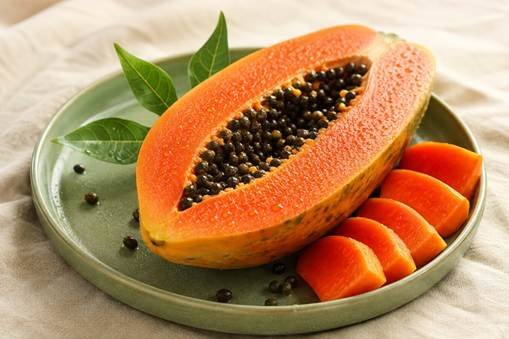
Papaya contains an enzyme called papain, which helps break down proteins into smaller, more digestible pieces. This is one of the few fruits with actual enzymatic digestive support built in, rather than just fiber [Study on papain enzyme activity and protein digestion].
In parts of Southeast Asia and Latin America, papaya’s been used after heavy meals for generations, long before “digestive enzyme” became a supplement marketing term. Sometimes traditional food wisdom and the research just line up.
6. Chia Seeds
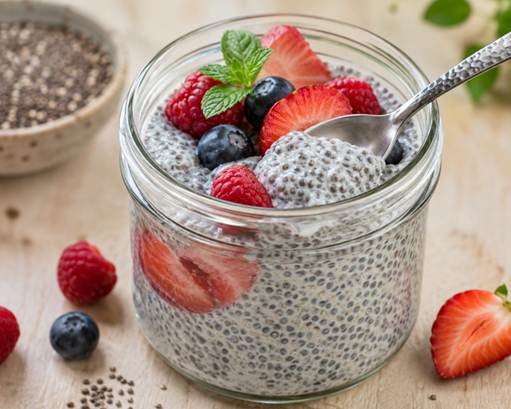
Chia seeds absorb roughly 10 times their weight in liquid, forming a gel that moves gently through your digestive tract [Source on chia seed water absorption and soluble fiber content]. That gel-forming fiber is genuinely useful if you deal with irregularity.
Two tablespoons mixed into water, yogurt, or oatmeal gives you close to 10 grams of fiber. One thing people get wrong: eating chia seeds dry, without enough water, isn’t a great idea — let them sit in liquid for at least 10 minutes first so they’ve already absorbed what they’re going to absorb.
7. Fennel
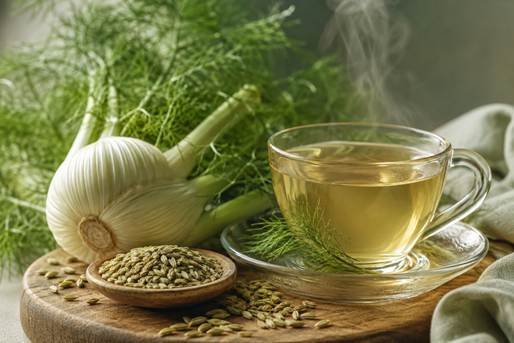
Fennel doesn’t get nearly enough credit. The seeds contain compounds that may relax the muscles in your digestive tract, which is part of why fennel tea is a go-to after-dinner drink in a lot of Indian and Mediterranean households [Study on fennel seed compounds and gastrointestinal smooth muscle relaxation].
Chewing a small spoonful of fennel seeds after a meal, or steeping a tablespoon in hot water for 10 minutes, are both common approaches. It’s mild enough to try daily without much downside.
8. Leafy Greens (Spinach, Kale, Swiss Chard)
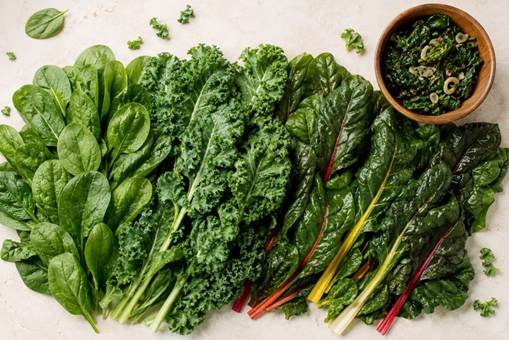
Leafy greens bring a mix of insoluble fiber (which adds bulk and helps things move) and magnesium, a mineral that plays a role in relaxing intestinal muscles [Source on magnesium’s role in intestinal motility]. If you’re someone who deals with occasional constipation, low magnesium intake is worth looking at.
A cup of cooked spinach gets you a meaningful chunk of your daily magnesium. Raw salads are fine too, but cooking greens down slightly makes it easier to eat a larger volume in one sitting.
9. Bananas (Especially Slightly Underripe)
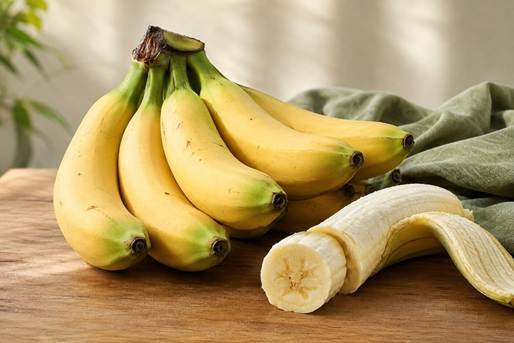
Slightly green bananas contain more resistant starch than fully ripe ones. Resistant starch passes through the small intestine mostly undigested and acts as a prebiotic once it reaches the colon, feeding beneficial bacteria there [Research on resistant starch content in unripe vs ripe bananas].
As bananas ripen, that resistant starch converts to regular sugar, which is part of why a slightly underripe banana behaves differently in your gut than a very ripe, spotty one. Fully ripe bananas are still fine for digestion — they’re just working through a different mechanism (easier-to-digest fiber and potassium) rather than the resistant starch angle.
How Long Does It Take for These Foods to Improve Digestion?
Most people notice smaller changes — less bloating, more regular bathroom habits — somewhere between one and three weeks of consistent intake. Bigger shifts in microbiome composition tend to show up closer to the 3-4 week mark in research settings.
This isn’t an overnight fix, and honestly, be a little suspicious of anything that claims to be. Your gut bacteria operate on their own timeline. Feed them consistently, and they respond. Feed them once and go back to old habits, and nothing changes.
Foods and Habits That Might Be Working Against You
It’s worth mentioning what tends to cancel out the good stuff:
- Highly processed foods low in fiber give your gut bacteria very little to work with.
- Eating too fast doesn’t give your stomach time to signal fullness or properly break food down before it moves on.
- Chronic stress measurably affects gut motility and the balance of bacteria, through what’s called the gut-brain axis [Source on stress and gut motility/microbiome connection].
- Artificial sweeteners, in some research, appear to shift gut bacteria composition in ways that aren’t fully understood yet [Study on artificial sweeteners and gut microbiome changes].
A Quick Word on Supplements vs. Food
I get asked constantly whether probiotic supplements are worth it compared to just eating fermented foods. My honest opinion — and this isn’t universal advice, just where I land after reading through the research — is that whole foods usually win for most people without a diagnosed condition. You get the probiotic strains alongside fiber, vitamins, and other compounds that work together, instead of one isolated strain in a capsule.
Supplements have their place, especially for specific, doctor-diagnosed issues. But if your goal is general digestive comfort, start with your plate before your medicine cabinet.
[Comparative research on whole-food probiotic sources vs. supplement efficacy]
As with any major dietary change, especially if you have an existing digestive condition like IBS or IBD, talk to a doctor or registered dietitian before making big shifts. What works broadly in research doesn’t always translate perfectly to an individual gut.
FAQ
What foods improve digestion the fastest?
Ginger tends to work fastest for acute discomfort like nausea or that overly-full feeling, since it speeds up stomach emptying within a short window after eating [Source on ginger’s onset time for digestive symptom relief]. Fiber-based foods work more gradually, over days to weeks.
What are the best probiotic foods for bloating specifically?
Refrigerated, unpasteurized kimchi, sauerkraut, and kefir have the strongest research behind them for live probiotic content. Pasteurized versions won’t have the same effect since the live cultures are gone.
Can I eat too much fiber and make digestion worse?
Yes. Increasing fiber too quickly, especially without enough water, can actually cause more bloating and gas short-term. Increase gradually over a couple of weeks and drink enough fluids alongside it.
Do I need to eat all nine of these foods every day?
No. Even adding two or three of these consistently — say, oats in the morning and kefir or kimchi at another meal — tends to make a noticeable difference over a few weeks. Consistency matters more than variety here.
Are these foods safe for people with IBS?
Some can be, but IBS is highly individual, and certain high-fiber or fermented foods can actually trigger symptoms in some people with IBS. If you have IBS, it’s worth working with a doctor or dietitian, potentially around a low-FODMAP approach, before adding several of these at once.