
If you’ve typed “best diet for beginners” into Google at 11 PM while scrolling past three contradictory articles, you already know the problem. Everyone’s diet is “the one that finally worked” — until it doesn’t.
Direct answer: The best diet trends for beginners are the ones you can follow on a normal Tuesday without a meal-prep degree — think Mediterranean-style eating, a simple 12:12 or 14:10 intermittent fasting window, or basic calorie awareness through a free tracking app. Beginner-friendly diet trends work because they change one habit at a time instead of overhauling your entire relationship with food overnight. Extreme plans might drop weight faster short-term, but they’re notoriously hard to sustain past the two-month mark.
Let’s get into the actual options, ranked from “you could start tomorrow” to “you’ll need a bit more planning.”
Key Takeaways
- Beginner-friendly diets focus on gradual, sustainable changes — not extreme restriction.
- The Mediterranean diet and simple intermittent fasting windows (12:12 or 14:10) are typically the easiest entry points.
- Sustainable weight loss trends share three traits: flexibility, minimal food elimination, and realistic daily structure.
- You don’t need to pick the “best” diet — you need the one you’ll still be doing in six months.
- Always check in with a doctor before starting a new eating plan, especially if you have existing health conditions.
What Makes a Diet Trend “Beginner-Friendly,” Anyway?
A beginner-friendly diet isn’t the one with the most Instagram buzz. It’s the one that doesn’t require you to throw out your pantry, learn five new cooking techniques, or track twelve different macros before breakfast.
Here’s what actually separates an approachable diet trend from an overwhelming one:
- Low prep burden. You can follow it with foods you already eat, at least at first.
- No full food-group bans. Cutting out entire categories (carbs, all fats, whole meal types) tends to backfire for new dieters.
- Flexible enough for real life. Dinner with friends shouldn’t derail the whole plan.
- Clear, simple rules. If you need a flowchart to figure out what you can eat, it’s not beginner-friendly.
I’ll be honest — a lot of the “beginner” diet content out there is really just a hardcore plan with softer marketing. That’s part of why so many people bounce between diets every few months. They start with something advanced, get burned out by week three, and assume they failed instead of the plan being wrong for where they’re at.
7 Diet Trends for Beginners, Ranked by Ease
These are seven of the most talked-about diet trends for beginners right now, starting with the lowest-effort option.
1. The Mediterranean Diet

This one’s less a “diet” and more a general eating pattern — lots of vegetables, olive oil, fish, whole grains, and legumes, with red meat and sweets kept occasional rather than banned. Research has repeatedly linked it to heart health and long-term weight management [Peer-reviewed study on Mediterranean diet and cardiovascular/weight outcomes].
Why it’s beginner-friendly: there’s nothing to “give up” entirely. You’re shifting ratios, not eliminating categories.
2. Simple Intermittent Fasting (12:12 or 14:10)
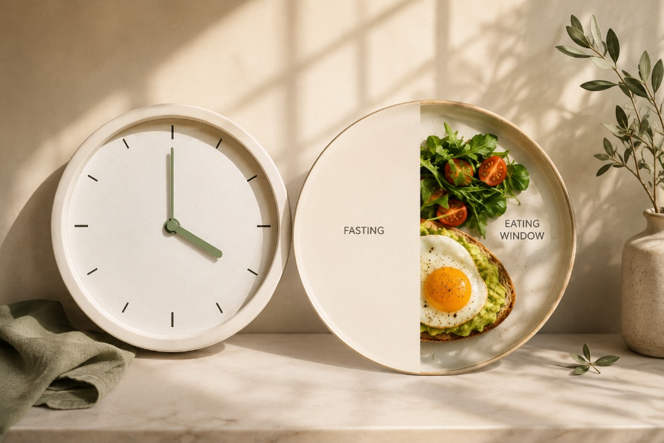
Intermittent fasting just means cycling between eating and not-eating windows. A 12:12 window (eat within 12 hours, fast for 12) is honestly closer to a normal sleep schedule than a diet. A 14:10 window is a small step up.
This is not the same as the more extreme 16:8 or alternate-day fasting protocols people often start with — and that’s exactly the mistake a lot of beginners make. They jump straight to skipping meals for 16+ hours, get miserable, and quit within a week.
3. Calorie Awareness (Not Strict Counting)
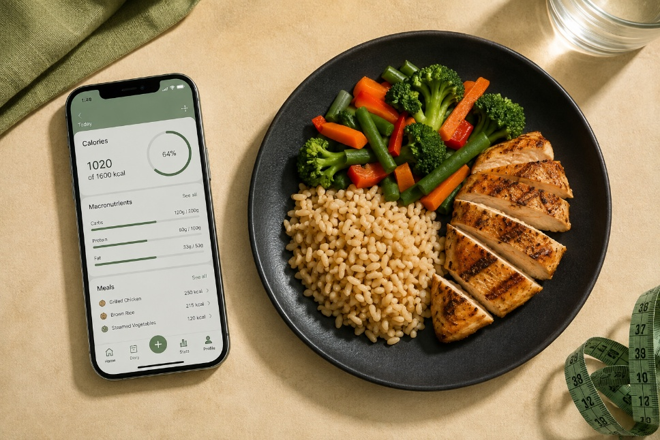
Before you groan — this doesn’t mean logging every almond. Beginner-level calorie awareness usually means using a free app for a week or two just to see what you’re actually eating, then adjusting from there.
Most people underestimate their portions by a wide margin [Study on self-reported vs. actual caloric intake accuracy]. You don’t need to count forever. You need a reality check.
4. Volume Eating
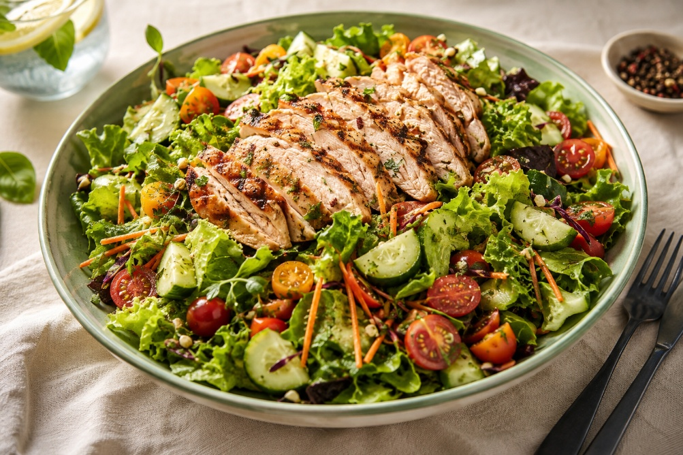
This trend leans on foods that are high in volume but relatively low in calories — think big salads, broth-based soups, vegetables, and lean proteins that fill you up without a huge calorie hit. It’s less a formal “diet” and more a strategy that fits into almost any eating pattern.
5. Plant-Forward (Not Full Vegetarian)
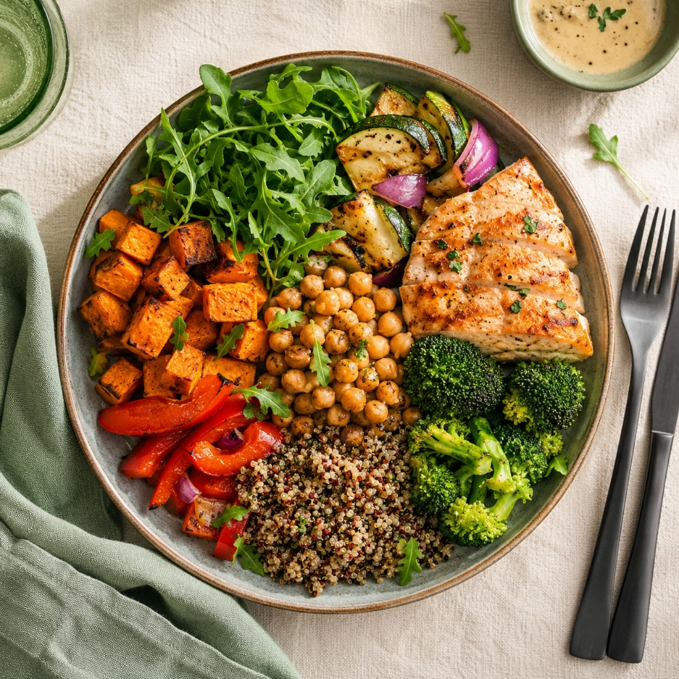
“Plant-forward” means shifting the majority of your plate toward plants without fully cutting out meat. It’s a much gentler on-ramp than going vegetarian or vegan overnight, and it still delivers a lot of the fiber and nutrient benefits associated with more plant-heavy diets [Research on plant-forward eating patterns and health markers].
6. Low-Carb (Not Full Keto)
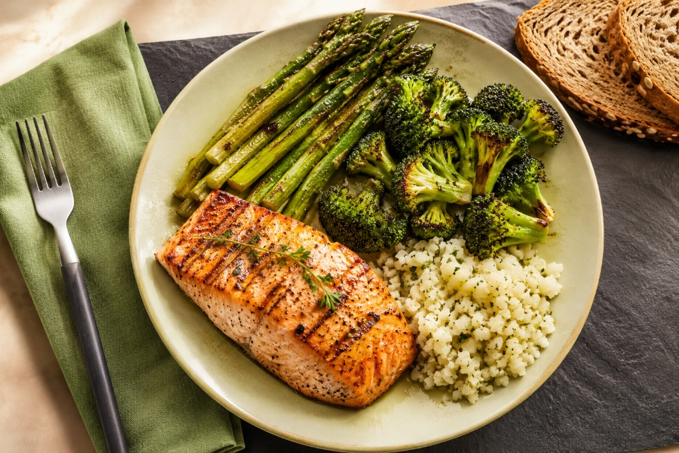
A moderate low-carb approach — cutting back on refined carbs and added sugar without hitting keto’s strict 20-50g daily carb ceiling — tends to be far more sustainable for someone new to this. Full keto can work well for some people, but it’s a steep learning curve, and the early “keto flu” adjustment period turns a lot of beginners off before they see results.
7. The 80/20 Approach
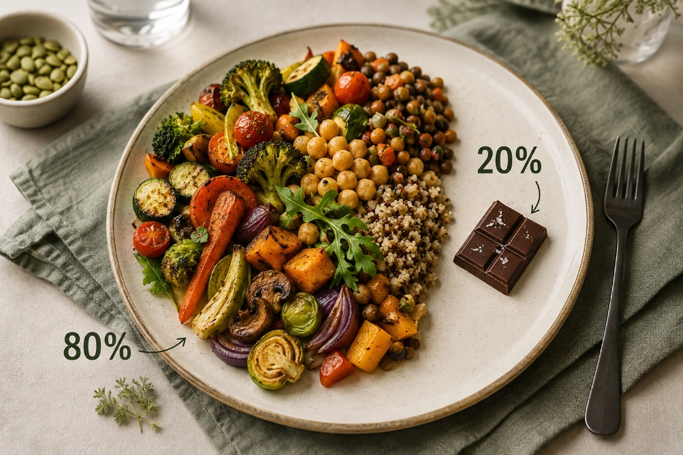
This isn’t a diet so much as a mindset: eat nutrient-dense, balanced meals 80% of the time, and don’t stress over the other 20%. It pairs well with any of the trends above and tends to be the difference between people who stick with a plan and people who quit after one “bad” weekend.
What Diet Trend Is Best for Beginners?
If you want a single answer: Mediterranean-style eating paired with a gentle intermittent fasting window (12:12) tends to score the highest for beginners on both ease and evidence.
It’s not flashy. It won’t get you a dramatic before-and-after in three weeks. But it’s the combination most likely to still be part of your routine a year from now — and that’s really the whole game with weight management. The diet that “works best” on paper means nothing if you can’t stand doing it past week four.
How to Choose a Diet as a Beginner (Step by Step)
- Rule out what you know you’ll hate. If you love bread, don’t start with keto. Setting yourself up to resent your own diet is a losing move.
- Pick one change, not five. Add more vegetables or start an eating window — not both plus cutting sugar plus meal prepping every Sunday.
- Give it 3-4 weeks before judging it. Your body (and habits) need time to adjust. Quitting at day 6 doesn’t tell you anything useful.
- Track how you feel, not just the scale. Energy, sleep, and mood are early signals that matter just as much as weight.
- Adjust, don’t abandon. If something’s not working, tweak one variable before scrapping the whole plan.
- Check with your doctor first, especially if you have a chronic condition, take medication, or are pregnant or breastfeeding.
What’s the Easiest Diet to Start for Weight Loss?
Out of everything covered here, a 12:12 intermittent fasting window is probably the single easiest entry point for weight loss. You’re not eliminating any foods — you’re just tightening your eating window slightly, often by pushing breakfast later or dinner earlier by an hour or two.
Combine that with basic portion awareness (see: volume eating, above) and you’ve got a low-effort setup that doesn’t require special ingredients, apps, or a total lifestyle overhaul.
Sustainable Diet Trends for Long-Term Weight Loss
Sustainability is where most diet trends quietly fail. A plan can produce fast results and still be a bad long-term bet if it’s not something you can live with.
The diet trends most associated with long-term weight loss success tend to share these features:
- Flexibility for social situations (holidays, restaurants, travel)
- No full food-group elimination
- Room for occasional treats without derailing the whole week
- Realistic weekly structure you can repeat without burnout
Mediterranean-style eating and the 80/20 approach consistently show up in research as more sustainable over time compared to highly restrictive diets, largely because people simply stick with them longer [Long-term adherence study comparing restrictive vs. moderate diet approaches].
My honest take? The diet industry sells restriction because restriction feels like progress. But for most beginners, the plan that feels boring and doable will beat the plan that feels dramatic and impressive — almost every single time.
FAQ
Q: What is the easiest diet trend to start as a beginner?
A: A 12:12 intermittent fasting window or Mediterranean-style eating are generally considered the easiest starting points, since neither requires eliminating entire food groups.
Q: How long should I try a diet trend before switching?
A: Give it at least 3-4 weeks. Your body needs time to adjust, and short trials don’t give you an accurate read on whether something’s actually working.
Q: Do I need to count calories to lose weight as a beginner?
A: Not necessarily. Many beginners get useful results just from portion awareness or volume eating, without full-time calorie tracking.
Q: Is intermittent fasting safe for beginners?
A: Simple windows like 12:12 are generally considered low-risk for most healthy adults, but you should check with a doctor first, especially if you have a history of disordered eating, diabetes, or are pregnant or breastfeeding.
Q: What diet trend has the best long-term success rate?
A: Mediterranean-style eating is one of the most consistently studied patterns for long-term adherence and health outcomes, largely because it doesn’t require restrictive food elimination