
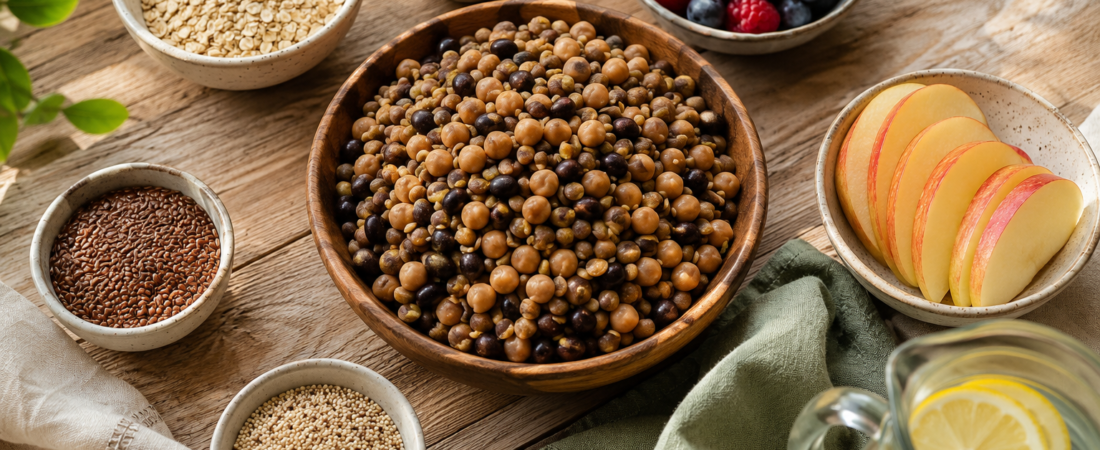
If you’ve spent any time on TikTok lately, you’ve probably seen someone dumping chia seeds into a smoothie the size of a fishbowl and calling it “fibermaxxing.” The core idea is solid: most adults eat way less fiber than they need, and getting more of it — slowly, from real food — can support better digestion, steadier blood sugar, and a healthier gut microbiome. Vegan fibermaxxing tips work best when you build up gradually, pair fiber with enough water, and mix soluble and insoluble sources — not when you triple your intake overnight because a 21-year-old with unlimited counter space told you to.
That’s really the whole article in one paragraph. But if you want the version that doesn’t leave you doubled over on the office bathroom floor at 2pm, keep reading.
Key Takeaways
- Most adults need 25–38 grams of fiber per day, and most people eat closer to 15.
- Vegan diets can make fibermaxxing easier, since whole plant foods are naturally fiber-rich — but “vegan” doesn’t automatically mean “high fiber” if you’re living on white rice and Oreos.
- The biggest mistake people make is increasing fiber too fast. Go up by 5 grams every few days, not 20 grams overnight.
- Soluble and insoluble fiber do different jobs — you want both, not just whatever’s trending.
- Water intake matters almost as much as the fiber itself. Skip it, and you’ll bloat.
What Is Fibermaxxing, Actually?
“Fibermaxxing” is just a catchier name for something dietitians have said for decades: eat more fiber, on purpose, from a variety of sources. It’s not a diet. It’s not a 30-day challenge. It’s a habit shift.
The term picked up steam because fiber is genuinely one of the most under-discussed nutrients in mainstream health content — everyone talks about protein, nobody talks about the stuff that actually keeps your gut moving. Fiber is the part of plant food your body can’t fully digest. It passes through your gut mostly intact, and depending on the type, it either feeds your gut bacteria (soluble fiber) or adds bulk to keep things moving (insoluble fiber).
For vegan fibermaxxing specifically, the pitch is simple: plant-based eating already leans fiber-heavy, so you’re closer to your goal than you might think. You just need a plan instead of a vibe.
How Much Fiber Per Day on a Vegan Diet Do You Actually Need?
Most health guidelines put the target at 25 grams a day for women and 38 grams for men, though those numbers drop slightly after age 50 [Official fiber recommendation by age and sex from a national health authority, e.g. USDA or NHS]. If you’re vegan, you have a natural head start — plant-based eaters tend to average higher fiber intake than people who eat meat and dairy regularly [Comparative study on fiber intake in vegan/vegetarian vs. omnivorous diets].
But — and this is the part influencers skip — “vegan” isn’t a fiber guarantee. Vegan junk food exists. Oat milk lattes, vegan mac and cheese, and store-bought veggie burgers can all be nearly fiber-free. I’ve met plenty of long-term vegans who were shocked to find out they were only hitting 12–14 grams a day, because their diet was heavier on processed substitutes than on beans, lentils, and whole grains.
A rough way to check where you stand: track one normal day of eating and add up the fiber grams from the labels. Most people are surprised — usually not in a good way.
7 Vegan Fibermaxxing Tips That Won’t Wreck Your Gut
Here’s where the actual “how” comes in. These are ordered roughly by impact, not difficulty, so start wherever makes sense for your week.
1. Build Fiber Gradually, Not All at Once
This is the single most important rule, and it’s the one everyone ignores. Your gut bacteria need time to adjust to a higher fiber load. Jump from 15 grams to 40 grams in one day and you’re basically inviting gas, cramping, and a very uncomfortable afternoon.
A better approach: add about 5 grams every 3–4 days until you hit your target. That might mean starting with one extra serving of beans this week, then adding a piece of fruit with skin next week, then swapping white rice for a grain with more fiber the week after.
2. Prioritize Legumes — They’re the Real MVP
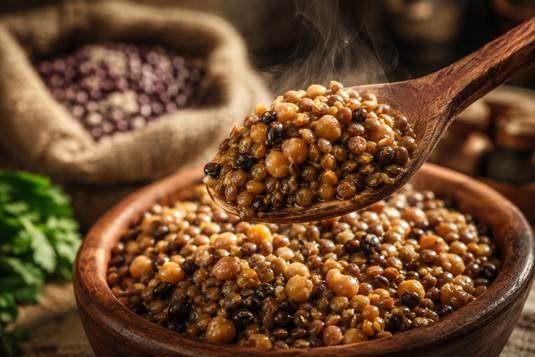
Lentils, chickpeas, black beans, and split peas are some of the highest-fiber foods you can eat, plant-based or not. A single cup of cooked lentils has around 15 grams of fiber, plus a solid hit of plant protein [USDA nutrition data for cooked lentils, fiber and protein content per cup].
If beans have historically made you gassy, don’t swear them off — that’s usually a sign your gut bacteria just aren’t used to them yet, not that legumes are “bad for you.” Soaking dried beans overnight and rinsing canned beans well both help cut down on the compounds that cause bloating.
3. Don’t Peel Everything
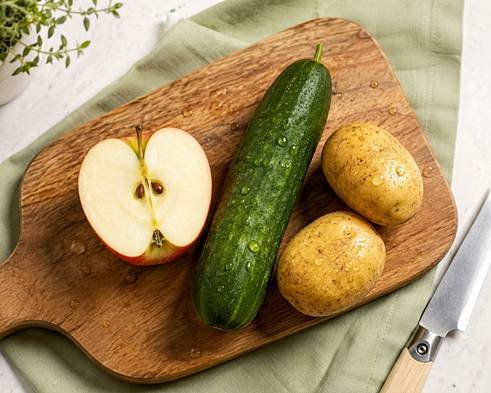
I get it — peeled apples and skinless potatoes feel “cleaner.” But most of the fiber in produce lives in or right under the skin. A medium apple with the skin on has close to 4.5 grams of fiber; peeled, it drops by almost half [Fiber content comparison of apples with skin vs. peeled apples].
Wash your produce well, sure. But unless a recipe specifically needs it, leave the skins on potatoes, cucumbers, apples, and pears.
4. Mix Soluble and Insoluble Fiber on Purpose
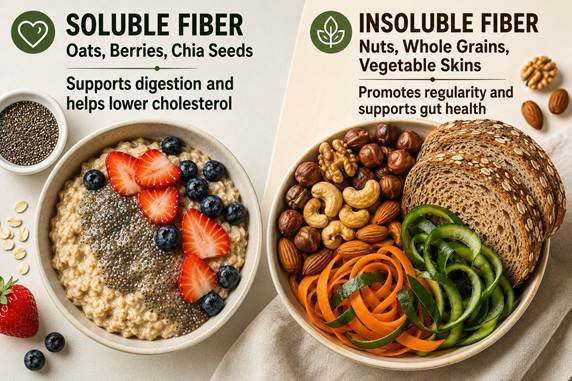
This is where “fibermaxxing without bloating” actually lives or dies. Soluble fiber (found in oats, chia seeds, beans, and citrus) dissolves in water and forms a gel — it slows digestion and feeds beneficial gut bacteria. Insoluble fiber (found in whole grains, nuts, and vegetable skins) doesn’t dissolve; it adds bulk and speeds things along.
Too much insoluble fiber without enough soluble fiber, or vice versa, is a common reason people feel worse instead of better when they start fibermaxxing. A good rule of thumb: aim for a mix at most meals rather than loading up on one type — say, oats (soluble) with berries and a sprinkle of chopped walnuts (insoluble) instead of oats alone.
5. Drink More Water Than You Think You Need
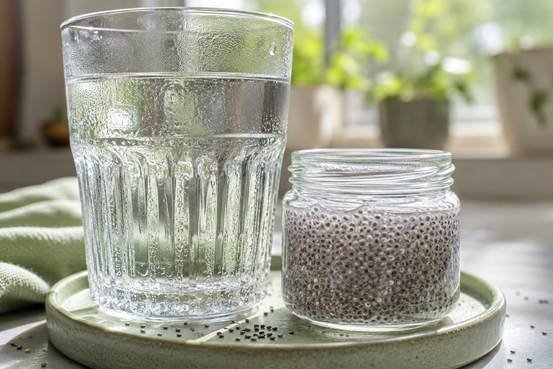
Fiber pulls water into your gut to do its job. Skip the extra water, and that same fiber that’s supposed to help you can leave you constipated and bloated instead — which is the opposite of the goal.
There’s no single magic number here, since needs vary by body size and activity level, but a common practical target is around half your body weight in ounces of water per day, adjusted upward if you’re increasing fiber intake or exercising. If your urine is consistently dark yellow, that’s a decent sign you need more.
6. Use Chia and Flax Seeds Strategically, Not Everywhere
Chia and flax seeds are fiber powerhouses — about 5 grams of fiber per tablespoon for chia [USDA nutrition data for chia seeds fiber content per tablespoon] — and they’re an easy add to smoothies, oatmeal, or yogurt. But they’re also where a lot of fibermaxxing goes wrong, because people add 3-4 tablespoons at once thinking more is better.
Start with one tablespoon a day. Let your gut catch up before you add more. And always let chia seeds sit in liquid for at least 10 minutes before eating — dry chia seeds can absorb water in your throat or gut in a way that’s genuinely uncomfortable.
7. Don’t Skip Whole Grains for “Clean” Alternatives
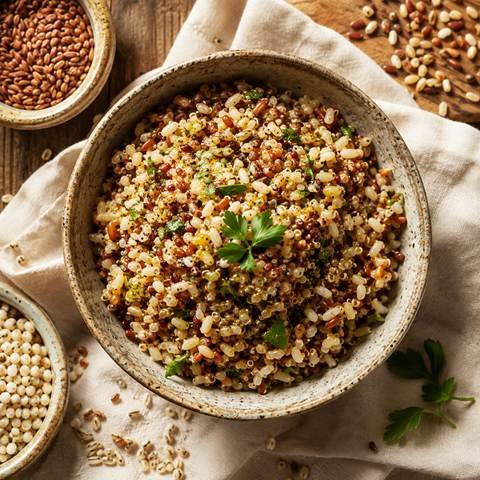
There’s a persistent myth that whole grains are somehow inflammatory or bad for digestion. For most people without a diagnosed condition like celiac disease, that’s not backed by solid evidence — whole grains like oats, quinoa, farro, and brown rice are some of the most reliable fiber sources available [Research on whole grain intake and digestive/gut health outcomes].
If you’ve cut whole grains because of a fad diet trend, this might be the tip that moves the needle most. Swapping white rice for quinoa or white bread for a whole-grain option is one of the lowest-effort changes on this list with one of the highest fiber payoffs.
Best Vegan Foods for Gut Health: A Quick Reference
If you want a shortlist to keep in your back pocket, these are the foods that consistently show up as top performers for both fiber content and gut health support:
- Lentils and split peas — high fiber, high protein, cheap
- Chia and flax seeds — soluble fiber, easy to add anywhere
- Oats — gentle on digestion, good starter food if you’re new to fibermaxxing
- Berries — high fiber-to-sugar ratio compared to most fruit
- Leafy greens — lower in fiber per calorie, but nutrient-dense and gentle
- Fermented foods (kimchi, sauerkraut, vegan yogurt) — not high in fiber themselves, but the probiotics may support how well your gut handles the fiber increase [Study on fermented food intake and gut microbiome diversity]
How to Fibermaxx Without Bloating: A Realistic Weekly Plan
Since this is the part most guides skip, here’s a rough week-by-week structure that respects the “go slow” rule:
- Week 1: Add one legume-based meal (lentil soup, chickpea salad) and swap one refined grain for a whole grain.
- Week 2: Add a tablespoon of chia or flax seeds daily, plus one piece of unpeeled fruit.
- Week 3: Add a second legume-based meal and increase water intake to match.
- Week 4: Reassess. If digestion feels normal (not bloated, regular bowel movements), you can keep building toward your target. If not, hold steady for another week before adding more.
This isn’t a rigid plan — adjust it to your actual schedule and appetite. The point is the pacing, not the exact menu.
When to Talk to a Doctor
If you have a diagnosed digestive condition like IBS, IBD, or diverticulitis, fiber needs can look very different, and increasing intake without guidance can sometimes make symptoms worse rather than better. It’s worth talking to a doctor or registered dietitian before making major changes, especially if you’re dealing with ongoing bloating, pain, or irregular bowel movements that predate your fiber increase. This is general information, not personalized medical advice.
FAQ
How much fiber should I eat per day on a vegan diet?
Most adults should aim for 25–38 grams per day, with women generally on the lower end and men on the higher. Vegan diets often make this easier to hit, but it’s not automatic — processed vegan foods can still be low in fiber.
Why am I bloated after eating more fiber?
Bloating usually happens when fiber intake increases too quickly or without enough water. Your gut bacteria need time to adjust, so a gradual increase over a few weeks is far more comfortable than jumping straight to your target number.
What’s the fastest way to increase fiber without stomach issues?
There isn’t really a “fast” way that avoids discomfort — that’s the honest answer. The most reliable approach is adding about 5 grams every few days, mixing soluble and insoluble sources, and drinking more water as you go.
Are chia seeds or flax seeds better for fibermaxxing?
Both are solid choices with similar fiber content per tablespoon. Chia seeds form a gel when soaked and work well in puddings or smoothies, while ground flax blends more easily into batters and oatmeal without changing the texture as much. Using both across the week is a reasonable approach.
Can you get too much fiber?
Yes. Excess fiber, especially without enough water, can cause bloating, gas, or even interfere with mineral absorption over time. More isn’t automatically better past a certain point — the goal is hitting a reasonable daily range consistently, not maximizing it.