

If you’re exhausted no matter how much you sleep, your hair is coming out in the shower, and you just feel off — low iron could be part of the story. The most common signs of low iron in women are fatigue that doesn’t improve with rest, pale skin, shortness of breath on mild exertion, brittle nails, and unusual hair shedding. A simple blood test can confirm it, and in most cases, it’s very manageable once you know what’s going on.
I want to be upfront about something: this article isn’t a substitute for bloodwork. It’s here to help you recognize the pattern so you can walk into your doctor’s office with real information instead of a vague “I just don’t feel right.”
Key Takeaways
- Fatigue that sleep doesn’t fix is usually the first and most-ignored sign of low iron.
- Low iron and iron-deficiency anemia aren’t the same thing — anemia is what happens when it’s gone on long enough to affect your red blood cells.
- Hair loss, pale skin, cold hands, and brittle nails can all trace back to low iron stores, even before a full anemia diagnosis.
- Women lose iron every month through menstruation, which is why iron deficiency shows up in women far more often than men.
- A ferritin blood test — not just a standard CBC — is the most reliable way to catch low iron early.
What Does Low Iron Feel Like?
Low iron doesn’t usually announce itself. It creeps in.
Most women describe it as a heaviness — like you’re moving through the day with a weighted blanket on. You wake up tired. You need caffeine just to feel human. By 3 p.m., you’re staring at your screen wondering why a normal workday feels like you ran a half marathon.
It’s not just physical, either. A lot of women report brain fog — trouble concentrating, losing your train of thought mid-sentence, forgetting why you walked into a room. That’s because iron plays a direct role in transporting oxygen to your brain and muscles. NIH Office of Dietary Supplements – Iron. When your iron stores drop, your body simply has less oxygen to work with, and everything — thinking included — gets harder.
Here’s the part that frustrates a lot of women: this fatigue often gets brushed off. “You’re just stressed.” “You’re a busy mom, of course you’re tired.” Maybe. But if the tiredness feels different — heavier, unrelenting, not fixed by a good night’s sleep — it’s worth checking rather than assuming it’s just life.
1. Fatigue That Doesn’t Improve With Rest
This is the big one, and it’s usually what sends women searching for answers in the first place.
Regular tiredness gets better with a good night’s sleep or a lazy Sunday. Iron-related fatigue doesn’t. You can sleep nine hours and still wake up feeling like you got four. That’s a meaningful clue, not a coincidence.
Iron is a core building block of hemoglobin, the protein in your red blood cells that carries oxygen from your lungs to the rest of your body. MedlinePlus – Hemoglobin Test. Low iron means less hemoglobin, which means your muscles and organs — including your brain — are running on a thinner oxygen supply. Your body compensates by making your heart work harder, which is part of why you might feel breathless doing things that used to be easy.
If you’ve noticed you’re winded walking up a single flight of stairs, or your workouts suddenly feel twice as hard, that’s worth paying attention to.
2. Pale or Sallow Skin (Especially Around the Face and Lower Eyelids)
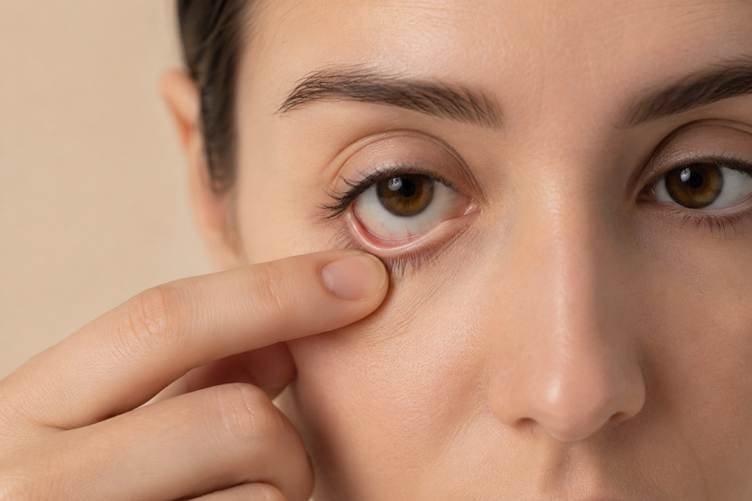
This one’s easy to miss because it happens gradually — you don’t notice your own skin tone changing day to day.
Hemoglobin is what gives blood its red color, and blood is part of what gives your skin its healthy pink undertone. When hemoglobin drops, skin can look paler than usual, sometimes with a slightly grayish or yellowish cast [Clinical source on pallor as a symptom of iron-deficiency anemia.
A quick, informal check: gently pull down your lower eyelid. The inside should be a rich, deep red. If it looks pale pink or washed out, that’s one of the more reliable at-home signals — though obviously not a diagnosis on its own.
3. Shortness of Breath and a Racing Heart During Normal Activity
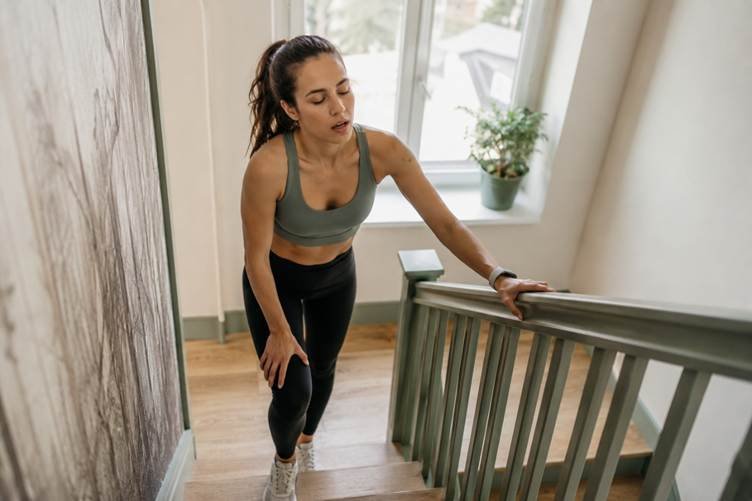
I mentioned this briefly above, but it deserves its own section because it’s one of the more alarming symptoms women describe — and one people rarely connect to iron.
When your blood can’t carry enough oxygen, your heart tries to make up for it by pumping faster and harder. That’s why some women with low iron notice heart palpitations, or a heart rate that spikes doing things that used to feel effortless — carrying groceries upstairs, chasing a toddler, a light jog.
This symptom overlaps with a lot of other conditions, which is honestly part of what makes low iron tricky to self-diagnose. Anxiety causes a racing heart too. So does poor sleep, dehydration, and plain old deconditioning. That overlap is exactly why a blood test matters more than symptom-matching — I’ll get to that in a minute.
4. Hair Loss and Thinning (Can Low Iron Cause Hair Loss?)
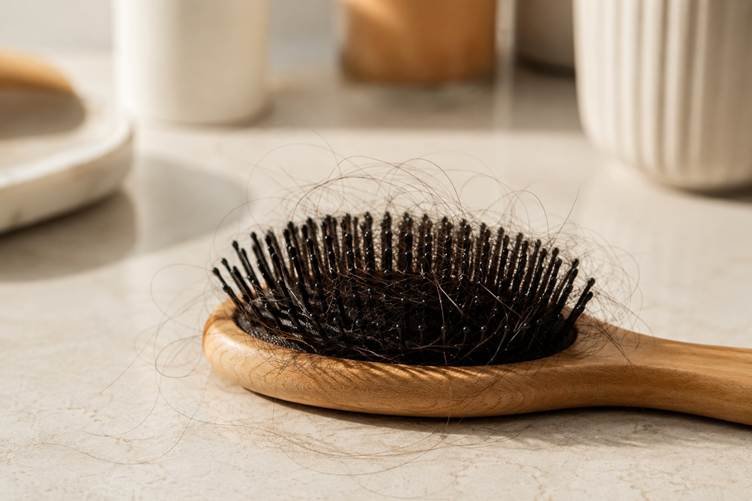
Yes — low iron is a well-documented, if under-discussed, cause of hair thinning in women. PubMed – Iron status in diffuse telogen hair loss among women.
Hair follicles are metabolically demanding. They need a steady oxygen and nutrient supply to stay in their growth phase. When iron stores run low, the body prioritizes oxygen delivery to vital organs first — your hair follicles are, frankly, low on the priority list. Follicles can shift into a resting phase early, which shows up a few months later as noticeably more shedding in the shower or on your brush.
This is one of the symptoms I have real opinions about, honestly. So many women get told their hair loss is “just stress” or “just hormones” without anyone ever checking ferritin. Stress and hormones absolutely can cause shedding too — but iron deficiency is common enough, and cheap enough to rule out with a blood test, that it should be a standard first check, not an afterthought.
One important nuance: hair-loss-from-low-iron typically shows up as diffuse thinning across the whole scalp, not patchy bald spots. Patchy loss usually points to something else entirely, and that’s a conversation for a dermatologist.
5. Brittle Nails, Cold Hands, and Unusual Cravings
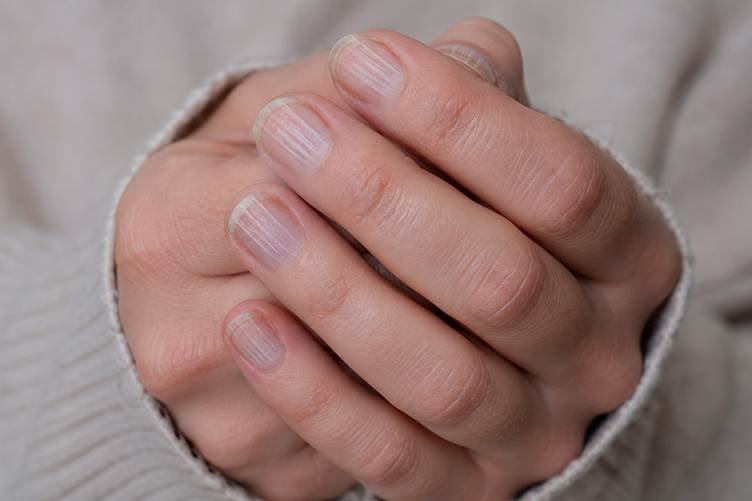
A few smaller signs tend to cluster together and get overlooked individually:
- Brittle, spoon-shaped, or ridged nails — in more advanced cases, nails can actually curve inward (a condition called koilonychia) [Clinical source on koilonychia and iron deficiency].
- Cold hands and feet, even in a warm room, because reduced blood flow means less warmth reaching your extremities.
- Restless legs at night, which some research links to low iron stores.
- Pica — cravings for non-food items like ice, chalk, or dirt. It sounds strange, but it’s a genuinely documented symptom, and if it’s happening to you, mention it to your doctor specifically.
None of these on their own is a red flag. All four together, especially alongside fatigue? That’s a pattern worth checking.
Why Are Women More Likely to Have Low Iron?
Short answer: periods.
Menstruation is the single biggest reason iron deficiency shows up far more often in women than men — women lose iron every cycle, and heavier periods mean heavier losses [Statistic on prevalence of iron deficiency in menstruating women]. Pregnancy adds another layer, since your blood volume increases and a growing baby draws on your iron stores directly. Postpartum, breastfeeding, and even switching to a mostly plant-based diet without planning around iron can all tip the scales.
If you’re in your late 20s to 40s, dealing with a heavy cycle, recently gave birth, or eat mostly vegetarian or vegan, your baseline risk is simply higher. That’s not a criticism of any of those choices — it just means it’s worth being a little more proactive about checking your levels.
Low Iron vs. Iron-Deficiency Anemia: What’s the Difference?
People use these terms interchangeably, but they’re not quite the same thing.
Low iron (iron deficiency) means your body’s iron stores — measured by a marker called ferritin — are running low, even if your red blood cells still look normal on a standard test.
Iron-deficiency anemia is the next stage: your iron stores have been low long enough that your body can no longer make enough healthy red blood cells, and your hemoglobin drops below a normal range.
You can absolutely have low ferritin and feel lousy before you technically meet the lab criteria for anemia. This is exactly why so many women get told “your bloodwork is normal” when it isn’t the full picture — a standard complete blood count (CBC) doesn’t always catch early iron deficiency. If you suspect something’s off, specifically ask your doctor to check ferritin, not just hemoglobin.
What to Do If You Recognize These Signs
Here’s a straightforward path forward, in order:
- Track your symptoms for two weeks. Note fatigue levels, hair shedding, and anything else from the list above. Patterns matter more than a single bad day.
- Ask your doctor for a ferritin test, not just a standard CBC. Say the word “ferritin” specifically — it’s a more sensitive early marker than hemoglobin alone.
- Don’t start high-dose iron supplements on your own before testing. Too much iron can be harmful, and supplementing without knowing your actual levels is guesswork [Source on risks of iron overload from unsupervised supplementation].
- If levels come back low, your doctor may recommend dietary changes, a specific supplement dose, or — for more significant deficiency — further testing to rule out underlying causes like heavy periods or gut absorption issues.
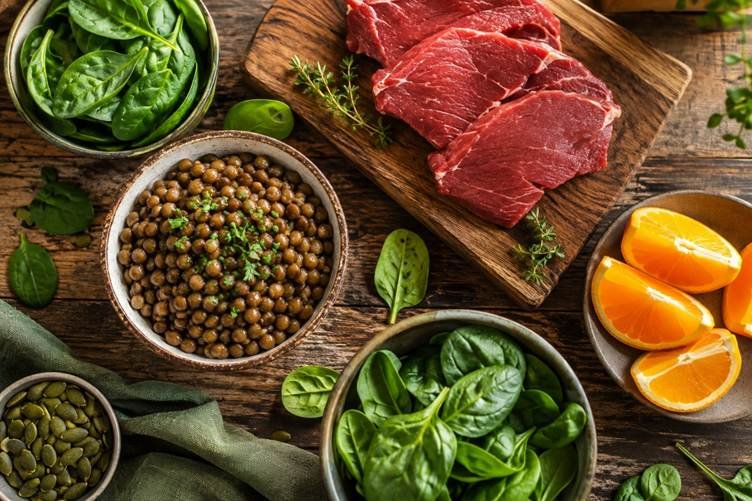
- Pair iron-rich foods with vitamin C (think spinach with lemon, or lentils with tomatoes) since vitamin C meaningfully improves how much iron your body actually absorbs [Study on vitamin C’s effect on non-heme iron absorption].
Always talk to a doctor before starting any new supplement, especially iron — it’s one of the few nutrients where more isn’t automatically better.
[Anti-Inflammatory Diet article]
For further reading, the World Health Organization’s guidance on anemia and the NIH Office of Dietary Supplements iron fact sheet are solid, credible starting points.
FAQ
What does low iron feel like day to day? Mostly like unshakeable fatigue — tired even after a full night’s sleep, plus brain fog, feeling cold, and getting winded more easily than usual.
Can low iron cause hair loss? Yes. Low ferritin is a documented cause of diffuse hair thinning in women, though it’s often overlooked in favor of stress or hormonal explanations [Source on ferritin thresholds linked to hair shedding].
How do I know if I’m low in iron without a blood test? You can’t know for certain — symptoms like fatigue, pale skin, and brittle nails are strong clues, but a ferritin blood test is the only reliable way to confirm it.
What foods are highest in iron for women? Red meat, poultry, and fish contain heme iron, which is easiest to absorb. Plant sources like lentils, spinach, and fortified cereals contain non-heme iron, which absorbs better when paired with vitamin C [Source comparing heme vs. non-heme iron absorption rates].
How long does it take to fix low iron? With proper treatment, many women notice improved energy within a few weeks, though fully rebuilding iron stores typically takes a few months.