
If you’ve noticed your jeans fit differently even though you haven’t changed a thing, you’re not imagining it. The fastest way to lose weight during menopause naturally is to combine a hormone-friendly diet (more protein, more fiber, less refined sugar) with regular strength training, better sleep, and stress management — not by eating less and running more, which is what most women try first and what usually backfires.
This isn’t about willpower. It’s about working with a body that’s playing by new rules.
Key Takeaways
– Menopause weight gain is driven by hormones, not laziness. Falling estrogen changes where you store fat and how your body handles blood sugar.
– Cutting calories aggressively often makes things worse by triggering muscle loss and slowing your metabolism further.
– Strength training 2-3 times a week is one of the most effective natural tools for menopause weight loss — more effective than cardio alone for many women.
– Protein, fiber, and stable blood sugar matter more now than they did in your 30s.
– Sleep and stress aren’t “extras.” Poor sleep and chronic stress raise cortisol, which directly promotes belly fat storage.
Why Does Menopause Make It Harder to Lose Weight?
Here’s the honest answer: your body chemistry actually changes, not just your motivation.
As estrogen drops during perimenopause and menopause, a few things shift at once. Fat storage tends to move from your hips and thighs to your midsection — that’s the “menopause belly fat” so many women mention. Estrogen also plays a role in insulin sensitivity, so your body may start storing carbs as fat more readily than it used to [VERIFY SOURCE].
On top of that, you’re likely losing muscle mass with age (a process called sarcopenia), and muscle is what keeps your metabolism humming. Less muscle means fewer calories burned at rest, even if your diet hasn’t changed at all.
None of this means you’re stuck. It means the old “eat less, move more” advice that worked at 30 needs an update.
What Is Menopause Belly Fat, Exactly?
Menopause belly fat refers to the visceral fat — the deeper fat that wraps around your organs — that tends to accumulate around the midsection during perimenopause and menopause. It’s different from the subcutaneous fat (the kind you can pinch) that was more common in your hips and thighs earlier in life.
Visceral fat isn’t just a cosmetic issue. Research links higher levels of it to increased risk of type 2 diabetes and heart disease [VERIFY SOURCE]. That’s part of why doctors pay closer attention to waist circumference after menopause, not just the number on the scale.
How to Lose Weight During Menopause Naturally: A Step-by-Step Approach

If you want a natural, sustainable path — no extreme diets, no HRT required, no starvation — here’s the order I’d actually focus on:
1. Prioritize protein at every meal. Aim for roughly 25-30 grams per meal. This helps preserve muscle and keeps you fuller longer, which matters more now that hunger hormones are also shifting.
2. Add strength training 2-3 times a week. This is non-negotiable in my opinion. Cardio alone won’t rebuild the muscle you’re losing.
3. Stabilize your blood sugar. Pair carbs with protein or fat instead of eating them alone. A slice of toast with peanut butter behaves very differently in your body than toast with jam.
4. Get 7-9 hours of sleep. Poor sleep raises cortisol and ghrelin (your hunger hormone), which can undo a good week of eating almost overnight.
5. Manage stress on purpose. This doesn’t mean an hour of meditation you don’t have time for — even 10 minutes of walking or breathing exercises can lower cortisol over time [VERIFY SOURCE].
6. Be patient with the scale. Natural, sustainable fat loss during menopause often looks like 0.5-1 pound a week, sometimes slower. That’s normal, not failure.
Hormone-Friendly Diet for Menopause: What Should You Eat?
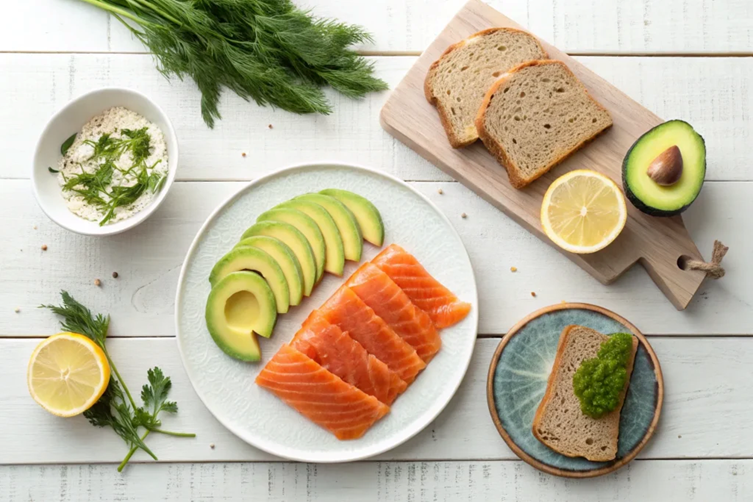
A hormone-friendly diet for menopause isn’t a strict plan — it’s a shift in emphasis. Here’s what tends to help:
– More fiber (25-30 grams a day) from vegetables, beans, and whole grains to support gut health and blood sugar control.
– Phytoestrogen-rich foods like flaxseed, soy, and chickpeas, which some research suggests may gently support hormone balance [VERIFY SOURCE].
– Healthy fats from olive oil, avocado, and fatty fish, which support hormone production overall.
– Less refined sugar and alcohol, both of which can spike blood sugar and disrupt sleep — a rough combination during menopause.
– Calcium and vitamin D, since bone density becomes a bigger concern post-menopause.
I’ll be honest: I’m not a fan of cutting entire food groups here. Extremely restrictive diets tend to backfire during menopause because they add stress to a body that’s already under hormonal stress. Consistency beats perfection.
Strength Training for Menopause Weight Loss: Why It Works Better Than Cardio
This might be the one place I’ll push back on conventional advice. A lot of women hear “weight loss” and think “cardio.” During menopause, that’s often the wrong first move.
Strength training does two things cardio alone can’t: it builds and preserves muscle, and it improves insulin sensitivity — meaning your body handles carbs and blood sugar better [VERIFY SOURCE]. More muscle also means a higher resting metabolic rate, so you burn more calories even when you’re just sitting at your desk.
You don’t need to become a powerlifter. Two to three sessions a week focusing on major muscle groups — squats, rows, presses, deadlift variations — is enough to see real changes in body composition over 3-4 months. If you’ve ever tried months of daily cardio with barely any change on the scale, this is probably why.
Talk to your doctor before starting a new exercise program, especially if you have joint issues or other health conditions.
Natural Remedies for Menopause Weight Gain: Sleep, Stress, and Supplements

Beyond diet and exercise, a few natural factors quietly influence menopause weight gain:
Sleep. Hot flashes and night sweats can wreck sleep quality, and poor sleep is strongly linked to increased appetite and cravings the next day. Keeping your bedroom cool and limiting screens before bed can help.
Stress. Chronic stress keeps cortisol elevated, and cortisol encourages fat storage specifically around the belly. This is one of the more overlooked “natural remedies” — managing stress isn’t fluffy self-care, it’s a metabolic strategy.
Supplements. Magnesium, omega-3s, and vitamin D are commonly discussed for menopause symptom support, though the research on weight loss specifically is mixed [VERIFY SOURCE]. Supplements should support a solid diet, not replace one — and you should check with your doctor before adding anything new, especially if you’re on medication.
How Long Does It Take to Lose Weight Naturally During Menopause?
Most women see meaningful changes in body composition within 8-12 weeks of consistent strength training and dietary changes, though the scale itself may move more slowly than muscle and fat changes underneath. This is one reason tracking waist circumference or how clothes fit can be more encouraging than the scale alone.
Give any new approach at least 3 months before deciding it isn’t working. Hormonal shifts don’t reverse overnight, and neither does the body’s response to a better routine.
FAQ
Q– Does menopause weight gain go away on its own?
Not usually. Weight gained during menopause tends to stay unless diet, activity, sleep, and stress are addressed together. It’s manageable, just not automatic.
Q -What foods should I avoid during menopause for weight loss?
Refined sugar, excess alcohol, and heavily processed carbs are the biggest offenders, since they spike blood sugar and can worsen sleep and hot flashes.
Q -Is intermittent fasting safe during menopause?
It can work for some women, but it’s not universally recommended, especially if you struggle with sleep or high stress already. Talk to a doctor or dietitian before starting.
Q -Can I lose belly fat during menopause without HRT?
Yes. Diet, strength training, sleep, and stress management can all meaningfully reduce menopause belly fat naturally, though results vary by individual and HRT may help some women alongside these habits.
Q1 -How much protein do I need during menopause for weight loss?
Many experts suggest roughly 25-30 grams per meal, or about 1.2-1.6 grams per kilogram of body weight daily, to help preserve muscle mass [VERIFY SOURCE].