

If you’ve ever laced up running shoes out of guilt rather than desire, this one’s for you.
Quick answer: Running burns more calories per minute than walking, but that doesn’t automatically make it better for weight loss. Walking is easier to sustain, gentler on your joints, and for most beginners, produces comparable long-term fat loss because people actually stick with it. The “best” option is the one you’ll do consistently for months, not weeks.
Key Takeaways
- Running burns roughly 2-3x more calories per minute than walking at a similar duration [Comparative energy expenditure data for running vs. walking, ACSM or similar exercise physiology source]
- A 30-minute run can burn 300-400 calories; a 30-minute walk burns 120-150, depending on your weight and pace [MET-based calorie burn estimates for running and walking by body weight]
- Walking is lower-impact and easier on joints, making it more sustainable for beginners or people with joint pain
- Belly fat loss depends more on total calorie deficit and consistency than the specific type of cardio you choose
- The best cardio for weight loss is the one you’ll actually do 4-5 times a week for months, not the one that burns the most calories in a single session
Running vs Walking for Weight Loss: The Real Comparison
Let’s get the obvious part out of the way. Minute for minute, running burns more calories. If you’re racing against a clock, running wins every time.
But weight loss isn’t a 30-minute contest. It’s a months-long game of consistency, and that’s where the “is running better than walking for weight loss” debate gets more interesting.
Here’s the thing nobody tells you when you start Googling this stuff: the calorie math only matters if you can actually keep doing the exercise. A lot of people start running, get shin splints or feel completely gassed after week one, and quit. Then they’re back to zero. Walking rarely does that to you.
I’ll say this straight — I think the fitness industry oversells running as the “real” cardio and treats walking like the participation trophy of exercise. That’s backwards for a huge chunk of people, especially if you’re 20+ pounds into a return-to-fitness journey and your joints haven’t done real cardio in years.
How Many Calories Does Running Burn vs Walking?
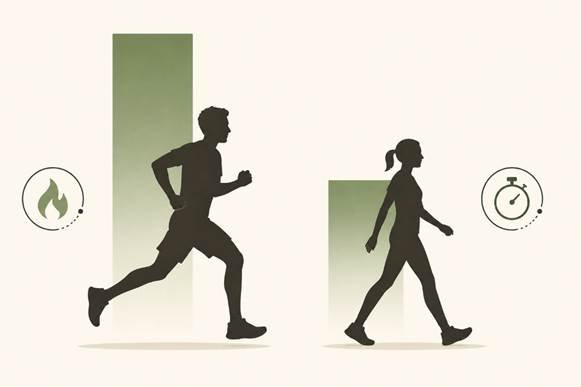
This is where the numbers actually matter, so let’s look at them.
For a person weighing around 155-180 pounds:
- Walking (3 mph, moderate pace): roughly 120-150 calories per 30 minutes
- Walking (4 mph, brisk pace): roughly 150-180 calories per 30 minutes
- Running (5 mph, jogging pace): roughly 270-330 calories per 30 minutes
- Running (6 mph, steady pace): roughly 330-380 calories per 30 minutes
[MET value-based calorie estimates for walking and running at varying speeds and body weights]
Notice something? Even a brisk walk burns close to half of what a moderate jog burns. That’s not nothing. If you walk for 60 minutes instead of running for 30, you can close a lot of that calorie gap without your knees filing a formal complaint.
This matters because most people don’t have unlimited time or unlimited joints. A 60-minute walk fits into a lot of daily routines — a lunch break, a podcast habit, walking the dog twice as long. A 60-minute run is a much bigger ask, physically and mentally, especially if you’re new to exercise.
Is Walking Enough to Lose Belly Fat?

Short answer: yes, walking alone can help you lose belly fat, but only if it’s paired with a calorie deficit.
Here’s what a lot of articles skip: you cannot spot-reduce fat. Not with running, not with walking, not with a thousand crunches. Belly fat comes off as part of overall fat loss, driven by burning more calories than you eat over time [Research on spot reduction and regional fat loss patterns].
Walking supports that deficit in two ways. First, it burns calories directly. Second — and this is underrated — it’s low-stress enough that it doesn’t spike your appetite the way harder workouts sometimes do. Ever notice you’re starving after a hard run but just pleasantly tired after a long walk? That’s a real pattern for a lot of people, and it can make sticking to a calorie deficit easier.
A daily 45-60 minute brisk walk, combined with tracking your food intake, is a legitimate belly fat strategy. It’s just slower than running. If you want a deeper dive into structuring that deficit properly, [7 Proven Ways to Sustain a Calorie Deficit (Without Burning Out)].
Best Low-Impact Cardio for Weight Loss Beginners

If you’re just getting back into exercise, or you’ve got knees, hips, or a back that complain about pounding, running isn’t the only door into cardio. Here’s what actually works:
- Brisk walking – 30-60 minutes, 4-6 days a week. The foundation for a reason.
- Incline walking – Bump the treadmill incline to 5-10% instead of speeding up. This spikes calorie burn without adding impact.
- Cycling (stationary or outdoor) – Easy on joints, great for building cardiovascular base fitness.
- Swimming – Zero impact, full body, genuinely underrated for weight loss.
- Elliptical training – A reasonable middle ground between walking and running if you want intensity without pounding.
None of these are “lesser” options. They’re smarter starting points if running has burned you out before — literally or figuratively.
Should You Run, Walk, or Both?
Honestly? Both, if your body allows it. Here’s a rough way to think about it:
Choose walking as your primary method if:
- You’re new to structured exercise
- You have joint pain, are overweight, or are returning after a long break
- You want something you can do every single day without burnout
- Time isn’t your biggest constraint
Choose running as your primary method if:
- You already have a base level of fitness
- You’re short on time and need calorie burn per minute
- Your joints tolerate impact well
- You genuinely enjoy running (this matters more than people admit)
Combine both if:
- You want variety to avoid boredom
- You’re building toward a specific goal, like a 5K, while also managing weight
- You want to walk on recovery days and run on higher-intensity days
A lot of people do best mixing three walking days with two easier jog days. It spreads the calorie burn out without wrecking your joints or your motivation.
The Part Nobody Talks About: Adherence Beats Intensity
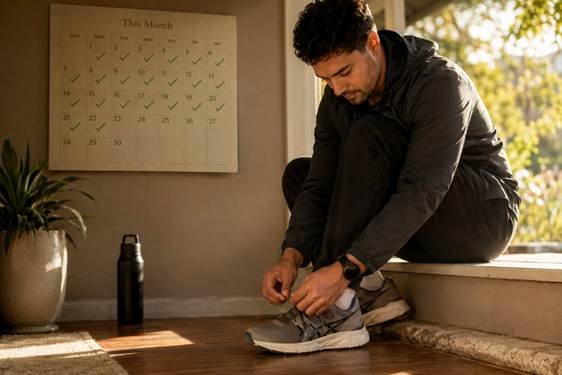
Here’s my actual opinion, not just a summary of studies: the “running vs walking” debate misses the real issue, which is that most weight loss plans fail from lack of consistency, not lack of intensity.
I’ve seen people lose more weight walking for a year than people who ran hard for two months and then quit entirely. The math on paper favors running. The math in real life favors whatever you’ll still be doing in month six.
If you hate running, that’s useful information, not a moral failing. Pick the cardio that fits your life, then be brutally consistent with it. That’s it. That’s the whole secret nobody wants to hear because it’s not exciting enough for a headline.
As always, if you have joint issues, heart conditions, or you’re significantly overweight and new to exercise, talk to a doctor before starting an intense running program. That’s not a legal disclaimer for show — running injuries and cardiac events, while rare, are more common in people who go from zero to high-intensity without a ramp-up period [Guidance on exercise screening for sedentary or high-risk individuals before starting vigorous cardio].

FAQ
Is running better than walking for weight loss?
Running burns more calories per minute, but walking is easier to sustain long-term. For most beginners, consistent walking produces similar fat loss results over time because adherence matters more than intensity.
How many calories does running burn compared to walking?
A 30-minute run typically burns 270-380 calories, while a 30-minute walk burns 120-180 calories, depending on speed and body weight [Verified MET-based calorie comparison source].
Can walking alone help me lose belly fat?
Yes. Combined with a calorie deficit, regular brisk walking can reduce belly fat over time, though you can’t target fat loss to one specific area of your body.
What’s the best low-impact cardio for beginners trying to lose weight?
Brisk walking, incline walking, cycling, swimming, and elliptical training are all solid low-impact options that support weight loss without heavy joint stress.
Should I combine running and walking for better results?
Yes, many people do well alternating walking days with easier running days. This balances calorie burn with recovery and helps prevent burnout or injury.