
If you’ve been dragging yourself through the day, losing hair in the shower drain, and wondering if you’re just “tired” or something more — you’re not imagining it. Women are more prone to iron deficiency mainly because of monthly menstrual blood loss, higher iron needs during pregnancy, and diets that often don’t replace what’s lost. Add in irregular periods or conditions like fibroids, and the gap between what you lose and what you take in adds up fast.
This isn’t a niche problem. It’s one of the most common nutrient gaps among women of reproductive age, and it’s also one of the most under-diagnosed — because “tired all the time” gets written off as stress, bad sleep, or just being a busy adult.
Key Takeaways
- Menstruation is the single biggest reason women need more iron than men — you lose iron every cycle, not just once a year.
- Iron needs roughly double during pregnancy, and postpartum recovery can leave stores depleted for months.
- Common early signs include fatigue, pale skin, brittle nails, hair shedding, and cold hands or feet.
- Diet alone often isn’t enough to keep up, especially for women eating mostly plant-based meals or restricting calories.
- A blood test is the only way to know for sure — symptoms alone can’t tell you if it’s iron or something else.
Why Are Women More Prone to Iron Deficiency?
Let’s start with the biology, because it explains almost everything else in this article.
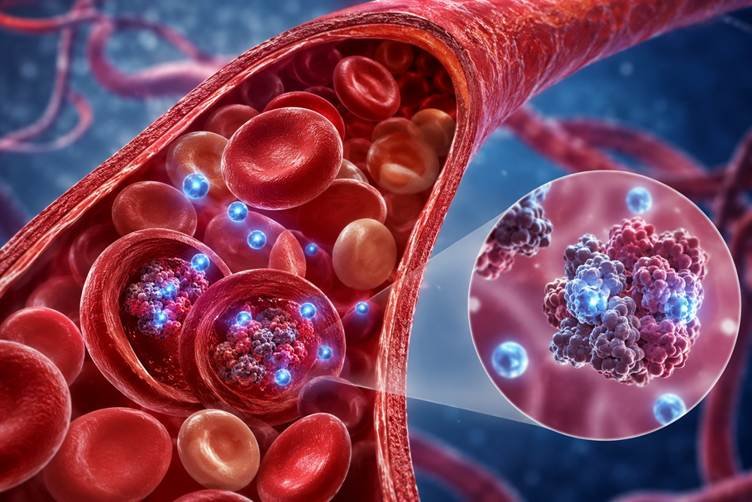
Iron is the mineral your body uses to make hemoglobin, the protein in red blood cells that carries oxygen from your lungs to every other tissue. No iron, no oxygen delivery. That’s why low iron shows up as fatigue — your cells are quite literally running short on fuel.
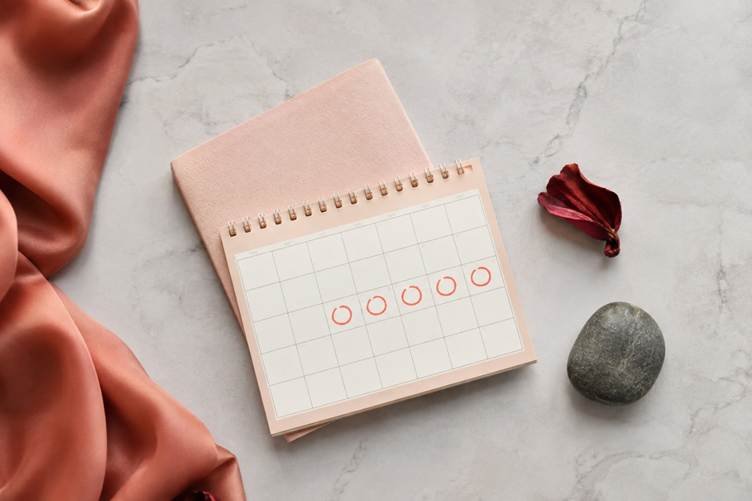
Men lose small, steady amounts of iron through normal cell turnover. Women lose that plus a monthly hit from menstruation. A typical period causes a measurable drop in iron stores, and for women with heavier flow, that drop can be significant enough to tip someone from “low normal” into deficient territory within a year or two [Peer-reviewed data on average iron loss per menstrual cycle].
Then there’s pregnancy, which nearly doubles iron requirements because your blood volume expands and the growing baby needs its own supply [NIH or ACOG guidance on iron requirements during pregnancy]. Breastfeeding and postpartum recovery keep the demand elevated well after delivery.
Add it up — cyclical loss, pregnancy, postpartum, and eventually the transition into perimenopause where periods can become heavier and less predictable — and you get a biological reality: women need more iron, more consistently, across more decades of life than men do. That’s the honest, unglamorous answer to “why are women more prone to iron deficiency.”
Why Do Women Need More Iron Than Men?
The numbers make this concrete. In the US, the recommended dietary allowance for iron is about 18 mg per day for women aged 19–50, compared to just 8 mg per day for men in the same age range [NIH Office of Dietary Supplements RDA table for iron]. That’s more than double.
During pregnancy, that number climbs again, typically to around 27 mg per day [NIH pregnancy iron RDA]. After menopause, when periods stop, women’s iron needs actually drop back down closer to men’s levels — which is a good illustration of just how much menstruation drives the difference in the first place.
Here’s the part that surprises people: needing more iron doesn’t automatically mean women eat more iron-rich food. If anything, dietary patterns often work against women here. Many women eat smaller portions of red meat (a highly absorbable iron source), follow plant-forward diets without pairing iron sources with vitamin C for better absorption, or cut calories in ways that quietly cut iron intake too.
I’ll be blunt about something: a lot of generic nutrition advice tells women to “just eat more leafy greens” for iron. Spinach has iron, sure, but it’s the non-heme kind, which your body absorbs far less efficiently than the iron in meat, poultry, or fish [Comparative absorption rates of heme vs non-heme iron]. That advice isn’t wrong, but it’s incomplete — and it’s part of why so many women who think they’re eating iron-rich diets still test low.
What Causes Low Iron in Women?
Iron deficiency doesn’t have one single cause. It’s usually a combination of a few of these:
- Heavy or prolonged periods. This is the most common cause in women of reproductive age. If you’re soaking through a pad or tampon in under two hours, or your period lasts longer than seven days, that’s worth mentioning to a doctor.
- Pregnancy and postpartum recovery. Blood volume expansion, blood loss during delivery, and breastfeeding all draw down iron stores.
- Low dietary iron intake. Common with vegetarian or vegan diets, chronic dieting, or simply not knowing which foods actually deliver absorbable iron.
- Gastrointestinal issues. Conditions like celiac disease, IBD, or even regular use of certain medications can interfere with how much iron your gut absorbs.
- Uterine fibroids or other gynecological conditions. These can cause heavier-than-normal bleeding, sometimes without a woman realizing her flow has crept up over time.
- Frequent blood donation. Not common, but worth a mention if you donate regularly and haven’t had iron levels checked in a while.
If more than one of these applies to you, that’s not a coincidence — they tend to stack. A woman with a plant-based diet and a heavy period is working with a much smaller margin than someone dealing with just one of those factors.
Signs of Iron Deficiency in Women
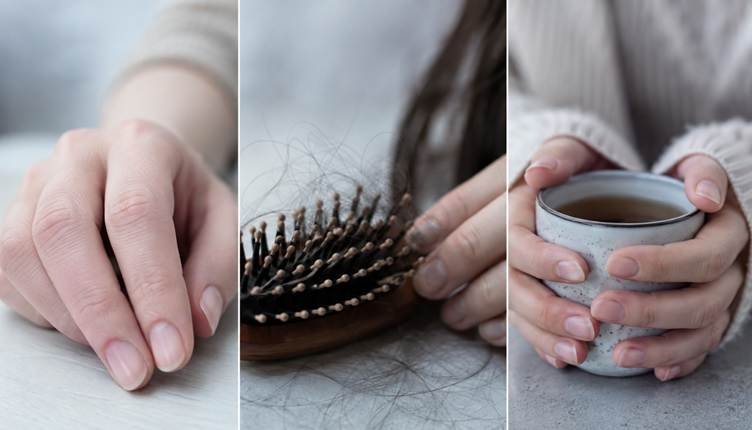
Symptoms often creep in slowly, which is exactly why so many women brush them off. You don’t wake up one day and feel it — you adjust to feeling a little worse, a little longer, and it becomes your new normal.
Common signs include:
- Persistent fatigue that doesn’t improve with sleep
- Pale skin, especially noticeable on the inside of your lower eyelid
- Brittle nails, or nails that curve inward (a less common but classic sign called koilonychia)
- Hair shedding beyond your usual amount
- Shortness of breath during activities that didn’t used to wind you
- Cold hands and feet, even in a warm room
- Restless legs at night
- Difficulty concentrating — sometimes described as brain fog
- Unusual cravings for ice, dirt, or starch (a strange but real symptom called pica)
Here’s the honest caveat: almost every one of these symptoms overlaps with stress, thyroid issues, or just not sleeping enough. That’s exactly why guessing doesn’t work. If two or three of these sound familiar and they’ve stuck around for more than a few weeks, that’s a reasonable point to ask your doctor for bloodwork rather than trying to self-diagnose from a symptom list — even this one.
Iron Deficiency in Women of Reproductive Age
This is where the numbers get harder to ignore. Iron deficiency is significantly more common in women of reproductive age than in men of any age group, largely because of the combined effect of menstruation and, for many, pregnancy [CDC or WHO prevalence data on iron deficiency by age and sex]. Some estimates suggest a meaningful share of women in this age bracket have low iron stores even without meeting the criteria for full-blown anemia.
That distinction matters. Iron deficiency and iron-deficiency anemia are not the same thing — anemia is what happens when deficiency gets severe enough to actually reduce your red blood cell count. You can be iron deficient and still test “normal” on a standard complete blood count (CBC), because ferritin (your iron storage marker) often drops long before hemoglobin does. This is a big reason women get told “your bloodwork is fine” while still feeling terrible — the wrong test was run.
If you suspect low iron, ask specifically for a ferritin test, not just a CBC. It’s a simple ask, and it can be the difference between an answer and another round of “it’s probably just stress.”
What to Do If You Suspect Low Iron
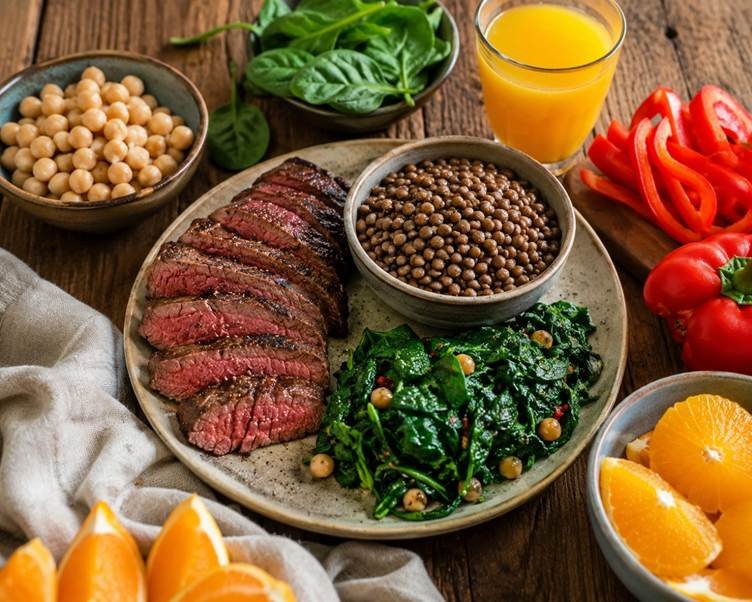
A few practical steps, in order:
- Track your symptoms and your cycle for a month. Note flow heaviness, duration, and how you feel day to day. This gives your doctor something concrete to work with.
- Ask for a ferritin test, along with a standard CBC, next time you’re at the doctor’s.
- Look at your diet honestly. Are you getting iron from meat, poultry, fish, beans, or fortified cereals regularly — or mostly relying on leafy greens and hoping for the best?
- Pair plant-based iron with vitamin C. Adding citrus, bell pepper, or tomato to an iron-rich meal can meaningfully boost how much non-heme iron you actually absorb [Study on vitamin C enhancing non-heme iron absorption].
- Don’t start high-dose supplements on your own. Iron supplements can cause real GI side effects, and too much iron over time isn’t harmless — it can build up in the body. Talk to a doctor before starting anything beyond a standard multivitamin dose.
That last point matters more than people think. I’ve seen the advice “just take an iron supplement” thrown around casually, and it’s not great advice without a test first. Iron overload is rare, but it’s a real thing, and self-treating a guess isn’t the same as treating a confirmed deficiency.
Frequently Asked Questions
Why do women need more iron than men?
Women lose iron every month through menstruation, and needs increase further during pregnancy and postpartum recovery. Men only lose small amounts through normal cell turnover, which is why their daily iron requirement is roughly half that of women aged 19–50.
What are the earliest signs of iron deficiency in women?
Fatigue, pale skin, and hair shedding tend to show up first, often before a person even suspects iron is the cause. These signs can be subtle and easy to mistake for stress or poor sleep.
Can you be iron deficient without being anemic?
Yes. Iron deficiency often shows up first as low ferritin (stored iron) while hemoglobin levels — what a standard CBC measures — can still look normal. This is why a ferritin test is important if you suspect low iron but your regular bloodwork came back “fine.”
What foods help with iron deficiency in women?
Red meat, poultry, and fish contain heme iron, which the body absorbs efficiently. Beans, lentils, tofu, and leafy greens contain non-heme iron, which absorbs better when paired with a vitamin C source like citrus or bell pepper.
Should I take an iron supplement if I think I’m deficient?
Talk to a doctor and get a ferritin test before starting a supplement. Iron supplements can cause digestive side effects, and taking more than your body needs isn’t harmless — testing first tells you whether supplementation makes sense.